
 34 Grayson Avenue, Papatoetoe, Auckland 2104



Build Faster with Lightweight EPS Geofoam
EPS Geofoam gives civil and commercial teams a practical way to create structural fill without adding unnecessary weight to a site. When ground conditions are difficult, access is tight or the programme leaves little room for delays, the right fill solution can make a meaningful difference to how work is planned and completed.
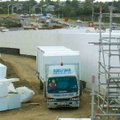
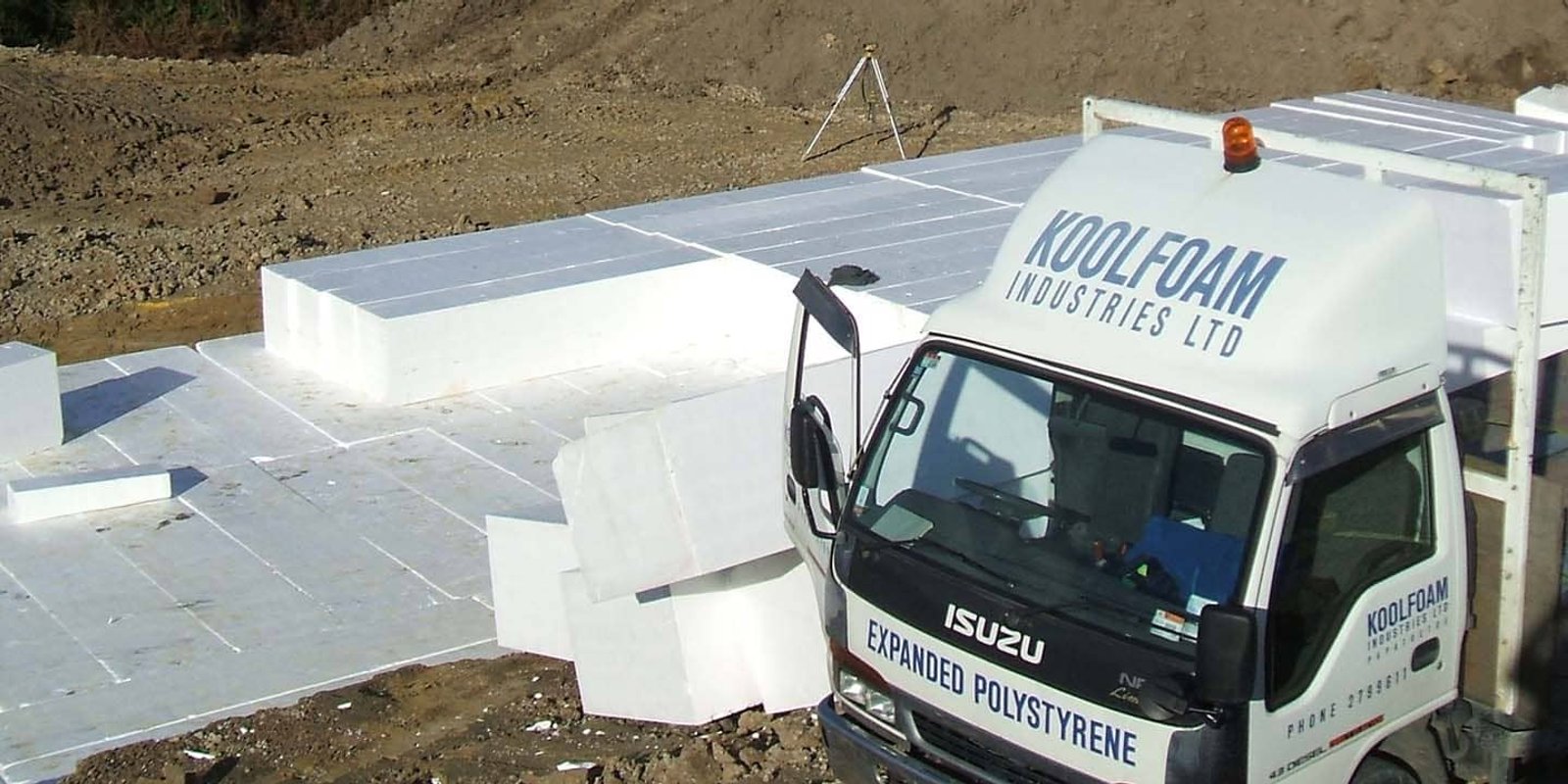
We regularly work with contractors, developers and engineers facing soft ground, heavy fill requirements, buried services and busy work areas. EPS Geofoam is rigid expanded polystyrene supplied in blocks, offering a lightweight alternative to conventional fill where the selected grade and design suit the required loads. From our Auckland manufacturing facilities, we supply fit-for-purpose EPS Geofoam products to projects nationwide throughout New Zealand.
Lightweight Structural Fill Reduces Project Pressures
Traditional soil or aggregate fill can place significant dead load on the ground below it. On sites with weak soils, settlement concerns or existing infrastructure, that added weight may affect the wider design. Commercial geofoam structural fill can reduce loading on underlying soils, retaining structures, buried services and nearby project elements.
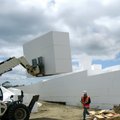
Its low weight also changes the day-to-day handling of fill materials. EPS Geofoam blocks can be moved and placed with less reliance on large earthmoving equipment than conventional fill, which can be particularly helpful when you are working in restricted areas or coordinating several trades on site.
For many projects, the practical benefits include:
- Reduced dead load on poor or variable ground
- Less material movement around the site
- Simpler handling in tight-access areas
- Cleaner staging alongside other construction activities
Better handling can support a more orderly build sequence. Rather than waiting for extensive bulk fill operations to finish, crews may be able to coordinate block placement with retaining work, services and surface construction. That said, every project needs proper engineering input. We recommend confirming load requirements, ground conditions, drainage needs and structural interfaces before the fill design is finalised.
Stable Support for Roads, Ramps and Building Platforms
When the correct EPS Geofoam grade, block layout and protective layers are specified, the material can provide stable and predictable support beneath constructed surfaces. Its block format helps create a controlled fill profile where accurate levels, raised areas or formed slopes are needed.
Civil works often need fill that performs without overloading weak ground. EPS Geofoam may be suitable for applications such as:
- Road embankments and bridge approaches
- Ramps and pavement widening
- Retaining wall backfill
- Slope stabilisation and shaped landscape levels
Lower fill weight can be especially useful where variable soils make heavy conventional fill less desirable. Instead of building up large volumes of aggregate or soil, project teams can plan a block arrangement that meets the intended geometry while keeping weight in check.
Commercial sites can benefit in much the same way. We see EPS Geofoam considered for building platforms, raised floor areas, accessways, landscaped levels and work around existing structures. Blocks can be cut and configured to suit the project layout, allowing teams to work around services, walls, foundations and other fixed site features. The final design should clearly show where blocks sit, how they are protected and how loads transfer through the finished construction.
EPS Geofoam Fits Complex Civil and Commercial Sites
Constrained sites often make conventional fill more difficult than it first appears. Heavy materials may require repeated truck movements, extensive stockpiling space and larger equipment, all while other trades are trying to keep work moving. EPS Geofoam can offer a more manageable approach where weight, access and sequencing are key concerns.
Urban developments, transport upgrades and infrastructure works can all involve narrow work zones or nearby structures that need careful consideration. By using blocks rather than bulk fill, teams can plan placement in defined stages and maintain clearer work areas as the project progresses.
Winter conditions can add another layer of pressure. EPS Geofoam can be used in wet weather, helping teams maintain progress when rainfall affects wider earthworks activities. Standard preparation, drainage, protection and installation practices still matter, but the block format can help separate fill placement from some of the delays associated with moving and compacting wet soil.
Early coordination helps make the most of that flexibility. We recommend aligning block placement with the timing of foundations, service installation, retaining elements, pavements and final surface works. When the sequence is clear before materials arrive, crews can avoid unnecessary handling and keep each stage ready for the next trade.
Plan Commercial Geofoam Structural Fill with Confidence
A successful commercial geofoam structural fill design begins well before installation. Geotechnical, civil and structural professionals should be involved early so the material selection and block layout match the full project design. Fill depth, imposed loads, service penetrations and finished surfaces all influence the solution.
Key planning points usually include:
- Required EPS Geofoam grade and block dimensions
- Ground preparation and drainage details
- Protective layers above and around the blocks
- Service routes, penetrations and structural interfaces
- Delivery access, storage and lifting arrangements
Installation planning is just as important as the design drawings. Block deliveries need to match available storage space and the order in which areas will be built. Where access is limited, a staged delivery plan can help keep the site organised and reduce the chance of materials being moved more than once.
Our team can work with your project requirements to support product selection and practical supply planning. Sharing drawings, programme timing and site constraints early gives us a clearer understanding of the EPS Geofoam solution you need and how it should arrive on site.
Move Your Next Project Forward with Koolfoam
EPS Geofoam provides a lightweight, stable and efficient option for structural fill on demanding civil and commercial projects. It can reduce unnecessary loads, support accurate levels and help teams manage sites where access, ground conditions or construction staging require extra care.
The strongest results come from treating structural fill as part of the wider construction plan, not simply as material placed between the ground and the finished surface. With the right grade, layout, drainage, protection and installation sequence, EPS Geofoam can help create a practical foundation for the work that follows.
Build With Confidence Across New Zealand
Koolfoam supplies EPS Geofoam nationwide for projects that need dependable, lightweight support. Learn more about commercial geofoam structural fill and how we can help match the right solution to your site requirements. For product advice, quantities or delivery planning, contact us to discuss your project with our team.
FAQs
What is EPS Geofoam?
EPS Geofoam is rigid expanded polystyrene supplied in blocks, offering a lightweight alternative to conventional fill where the selected grade and design suit the required loads.
Where does Koolfoam manufacture its EPS Geofoam?
From our Auckland manufacturing facilities, we supply fit-for-purpose EPS Geofoam products to projects nationwide throughout New Zealand.
What are the practical benefits of lightweight structural fill?
Reduced dead load on poor or variable ground. Less material movement around the site. Simpler handling in tight-access areas. Cleaner staging alongside other construction activities.
What applications may EPS Geofoam be suitable for?
Road embankments and bridge approaches. Ramps and pavement widening. Retaining wall backfill. Slope stabilisation and shaped landscape levels.
Can EPS Geofoam be used in wet weather?
EPS Geofoam can be used in wet weather, helping teams maintain progress when rainfall affects wider earthworks activities.
What should be confirmed before a fill design is finalised?
We recommend confirming load requirements, ground conditions, drainage needs and structural interfaces before the fill design is finalised.
What key points should be included in planning an EPS Geofoam project?
Required EPS Geofoam grade and block dimensions. Ground preparation and drainage details. Protective layers above and around the blocks. Service routes, penetrations and structural interfaces. Delivery access, storage and lifting arrangements.