34 Grayson Avenue, Papatoetoe, Auckland 2104



Build Smarter on New Zealand Sites with EPS Geofoam
As a lightweight, engineered polystyrene fill, EPS Geofoam helps you reduce ground loads while still achieving the levels, grades and support your project needs. We use it where heavy soil or aggregate fill could add unwanted pressure to the ground below.
Across New Zealand, projects often face soft ground, steep sections, limited site access and seismic design considerations. During the busy spring construction period in October, when earthworks, road upgrades, retaining works and residential development plans gather pace, lightweight structural fill geofoam can be a practical option worth assessing early.
EPS Geofoam Delivers Engineered Lightweight Fill
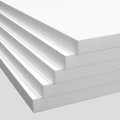
This material is expanded polystyrene formed into large, lightweight blocks. It can be specified in grades and dimensions that suit the engineering and load requirements of a particular project. Although both are foam products, EPS Geofoam is not XPS.
Rather than building up levels with heavy material, EPS Geofoam acts as lightweight structural fill beneath or behind a structure. Its low weight means less load is transferred into weak or compressible soil, helping your wider engineering design respond to difficult ground conditions.
For many projects, the practical qualities are just as useful as the weight reduction. EPS Geofoam offers:
- Low weight for easier handling and placement
- Predictable engineering performance when correctly specified
- Dimensional stability for forming levels and grades
- Blocks that can be custom cut to suit project layouts
Because blocks can be shaped around design details, EPS Geofoam can help create a more controlled fill zone than loose material in some applications. We recommend including the geofoam early in the design process, so block layout, load distribution and protection details can be considered as part of the full system.
Lightweight Structural Fill Geofoam Solves Ground Challenges
Adding conventional fill to soft or variable ground can increase pressure on the soils beneath it. That added pressure may contribute to settlement concerns, particularly where the site has limited bearing capacity or where new works sit near existing structures.
Lightweight structural fill geofoam gives engineers another way to create the required height without importing the same weight of soil, aggregate or other heavy fill. This can be useful on urban sites with restricted access, coastal areas with challenging ground conditions and hilly locations where moving heavy material is less straightforward.
Placed behind retaining walls or beside structures, EPS Geofoam may reduce lateral pressure compared with conventional fill. That can support an efficient design approach on tight sites, although the wall, drainage, foundation and geofoam arrangement must always be designed together.
Every site behaves differently. Ground investigation, engineering requirements and the surrounding structure should guide whether EPS Geofoam is suitable and how it should be detailed.
EPS Geofoam Supports Diverse New Zealand Projects
We see EPS Geofoam specified across a wide range of construction and infrastructure work. The material is especially useful where a project needs to change levels without unnecessarily loading the underlying ground or nearby assets.
Common applications include:
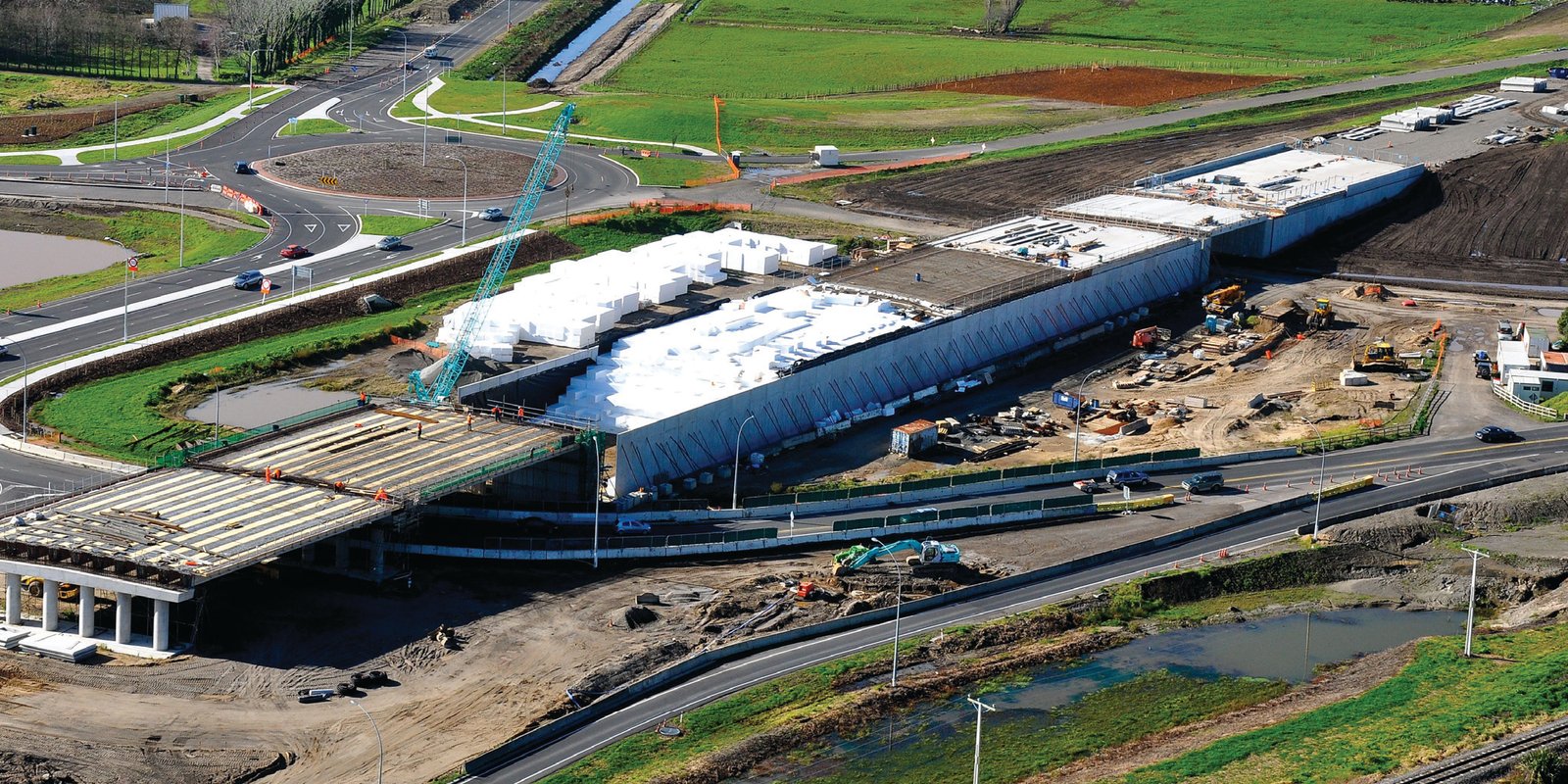
- Bridge approaches, road widening and embankments
- Floor raises, podium areas and terraced building sites
- Landscaping levels and shaped outdoor areas
- Retaining wall backfill and constrained development sites
- Works near buried services or affected ground
For transport projects, lightweight fill can help form approaches and widened sections while reducing load on existing ground. It can also be considered where buried services or nearby infrastructure make heavy fill less desirable.
In building and land development work, EPS Geofoam can assist with floor level changes, stepped sections and landscaping grades. Rather than relying on large volumes of loose fill, blocks can be arranged to suit the planned layout. For remediation or infrastructure work, geofoam may help establish new levels while reducing the demand placed on sensitive or compressible ground.
Faster Site Progress Starts with EPS Geofoam
Compared with conventional fill materials, EPS Geofoam blocks are light, so crews can often move, position and shape them with less heavy handling on site. This can make placement more straightforward where access is limited or where a project requires careful sequencing around existing structures and services.
Rain does not negatively affect EPS Geofoam performance. Subject to safe work practices, site conditions and the project's installation requirements, lightweight structural fill geofoam can be installed in wet weather. Drainage still matters, of course, because the complete construction system must manage water as intended.
A successful installation depends on more than placing blocks in the right location. Your project team should confirm:
- The appropriate EPS Geofoam density and grade
- Block dimensions and the planned layout
- Protective layers where required
- Load distribution above the geofoam
- Drainage, edge details and connection points
We manufacture fit-for-purpose EPS Geofoam, insulation and custom foam products for construction projects, and we supply products nationwide throughout New Zealand. Clear drawings and early coordination help ensure the product works as intended within the full engineered design.
Specify EPS Geofoam for Your Next Project
When your project involves soft soils, steep ground, retaining structures, floor raises or sensitive services, EPS Geofoam may offer a practical alternative to heavy fill. We can help project teams consider suitable block sizes and product options during specification and practical supply planning.
The best outcome comes from treating EPS Geofoam as part of a complete engineered system. With the right grade, layout, protection and drainage details in place, lightweight fill can help you reduce ground loads while creating the levels and support your build requires.
Get the Right EPS Geofoam for Your Build
Koolfoam can help you select lightweight structural fill geofoam suited to your project requirements. We supply EPS Geofoam nationwide throughout New Zealand and can discuss grades, dimensions and delivery considerations. Contact us to talk through your plans with our team.
FAQs
What does EPS Geofoam do?
As a lightweight, engineered polystyrene fill, EPS Geofoam helps you reduce ground loads while still achieving the levels, grades and support your project needs. We use it where heavy soil or aggregate fill could add unwanted pressure to the ground below.
What is EPS Geofoam made from, and is it the same as XPS?
This material is expanded polystyrene formed into large, lightweight blocks. It can be specified in grades and dimensions that suit the engineering and load requirements of a particular project. Although both are foam products, EPS Geofoam is not XPS.
How does EPS Geofoam help on weak or compressible ground?
Rather than building up levels with heavy material, EPS Geofoam acts as lightweight structural fill beneath or behind a structure. Its low weight means less load is transferred into weak or compressible soil, helping your wider engineering design respond to difficult ground conditions.
Can EPS Geofoam reduce pressure on retaining walls?
Placed behind retaining walls or beside structures, EPS Geofoam may reduce lateral pressure compared with conventional fill. That can support an efficient design approach on tight sites, although the wall, drainage, foundation and geofoam arrangement must always be designed together.
What kinds of projects use EPS Geofoam?
We see EPS Geofoam specified across a wide range of construction and infrastructure work. The material is especially useful where a project needs to change levels without unnecessarily loading the underlying ground or nearby assets.
Can EPS Geofoam be installed in wet weather?
Rain does not negatively affect EPS Geofoam performance. Subject to safe work practices, site conditions and the project's installation requirements, lightweight structural fill geofoam can be installed in wet weather.
How do you get the best outcome from EPS Geofoam?
The best outcome comes from treating EPS Geofoam as part of a complete engineered system. With the right grade, layout, protection and drainage details in place, lightweight fill can help you reduce ground loads while creating the levels and support your build requires.