
 34 Grayson Avenue, Papatoetoe, Auckland 2104



Build a Drier, More Efficient Slab This Spring
Moisture-resistant slab edge insulation deserves attention well before the concrete truck is booked. A clear perimeter detail supports the wider thermal and moisture-management plan for the floor, while also helping create a neat, consistent slab edge.
Spring can bring fast-changing weather, damp ground and busy construction schedules across New Zealand. We recommend checking the slab edge detail early, alongside drainage, membranes, reinforcing and concrete placement requirements. When these parts are planned together and follow the consented drawings, there is less pressure to make last-minute changes on pour day.
Start with a Site-Specific Moisture Plan
Every site handles water differently. Before edge insulation is installed, we suggest reviewing where surface water may travel, how the subgrade has been prepared, where drainage sits and how the membrane will connect with the rest of the slab system. Spring rain often makes weak spots obvious, especially where water can collect near excavations or the slab perimeter.
Moisture-resistant slab edge insulation is only one part of the foundation design. Its dimensions, location and interface with other materials need to match the approved building design, local site conditions and engineering requirements. Your designer, engineer and consent documentation should guide the final detail.
A practical pre-pour review can include:
- Checking that excavation areas are clean and free from loose material
- Confirming the base has been prepared as shown on the project documents
- Looking for water paths that could cause ponding around the perimeter
- Making sure membranes and edge components are in their intended positions
- Removing or relocating temporary works that could affect the slab edge
Planning for water movement before installation is far more manageable than trying to solve ponding once reinforcing and formwork are already in place.
Specify Moisture-Resistant Slab Edge Insulation Correctly
The slab perimeter is an area where thermal bridging can occur if the detail is incomplete or poorly aligned. A continuous edge insulation detail can contribute to the overall thermal performance of the floor system when it is designed as part of the building envelope.
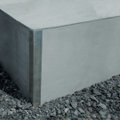
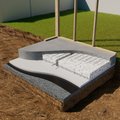
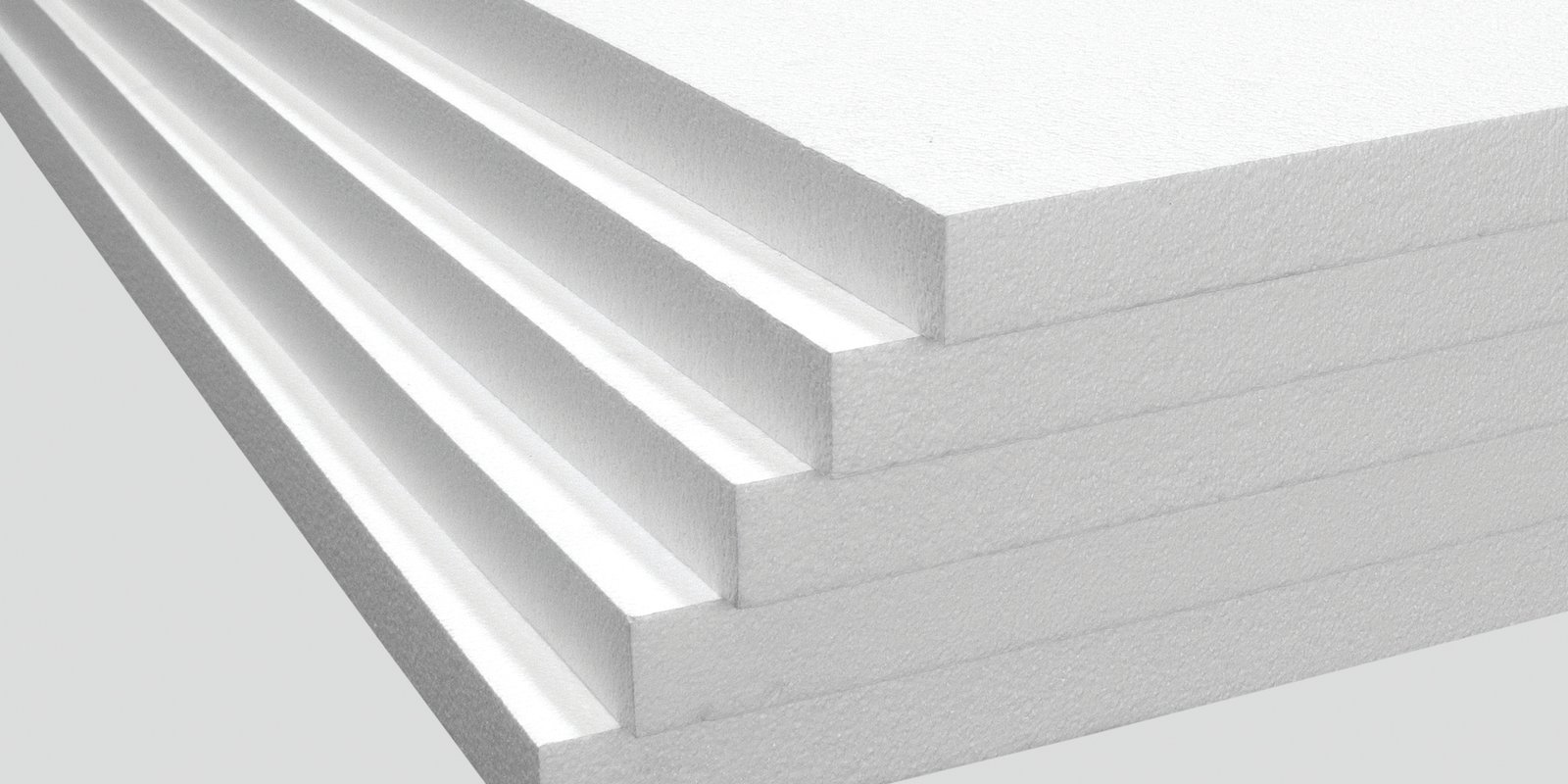
For slab perimeter applications, Koolfoam SlabEdge is a purpose-designed option to consider. As with any insulation product, the right dimensions and placement depend on the approved drawings. We recommend confirming the required detail before materials arrive on site, rather than relying on adjustments during installation.
Before concrete is placed, the site team should confirm that the insulation is:
- Aligned to the required slab edge line
- Continuous around corners and returns
- Set at the correct height for finished levels
- Secure enough to remain in place during reinforcing work
- Protected from movement during concrete placement
Small alignment issues can become much more noticeable after the forms come away. Taking time to check continuity and levels helps the perimeter look cleaner and perform as intended.
Detail Transitions Before Concrete Arrives
Transitions are often where a straightforward slab edge detail becomes more involved. External corners, internal returns, door thresholds, service penetrations, changes in level and wall junctions all need a close look before the pour crew arrives.
Gaps between sections, uneven edges or insulation set at inconsistent levels can affect the finished result and lead to avoidable rework. We often find that a short inspection is enough to catch issues while there is still room to correct them. It should also confirm that formwork, reinforcing and membranes are not pushing against or interrupting the intended moisture-resistant slab edge insulation detail.
A simple site sign-off process can keep everyone working from the same plan. This may involve reviewing the approved drawings, taking photos of key transitions and checking that any required protection is in place. It also gives the team a clear point to confirm that edge insulation has not shifted during the final rush of pre-pour activity.
Keep Spring Pour Days Moving Smoothly
Weather planning matters, but it is not the only consideration on a spring pour day. Prepared areas should be protected from runoff, access should remain clear for concrete trucks and installed edge components need to be kept safe while trades move around the site.
Where civil works are part of the programme, wet weather does not automatically prevent the use of EPS Geofoam. Koolfoam EPS Geofoam is suitable for wet-weather site conditions, provided the overall installation and project requirements are properly managed. Its role is distinct from slab edge insulation, so each product should be installed according to its intended application and project detail.
Early coordination can also help when programmes are tight. We supply EPS and XPS polystyrene solutions nationwide throughout New Zealand for construction, civil infrastructure and insulation applications, allowing project teams to plan product requirements alongside their wider construction schedule.
Confirm the Detail and Pour with Confidence
A successful spring slab pour relies on more than a favourable forecast. Sound site preparation, drainage planning, approved details, correctly installed insulation and a disciplined pre-pour check all work together to support a reliable foundation outcome. Koolfoam SlabEdge, under-slab insulation and EPS Geofoam can each form part of that wider planning process where suited to the project requirements.
Before concrete is placed, take one final walk around the perimeter with the approved drawings in hand. Check the transitions, confirm the edge detail remains continuous and make sure no recent site activity has changed the intended position of membranes, insulation or formwork.
Specify Reliable Edge Protection
For project-specific guidance, see our moisture-resistant slab edge insulation solutions and select products suited to your slab design. Koolfoam supplies dependable insulation products nationwide throughout New Zealand, with practical support for residential and commercial builds. If you need help confirming a specification or product requirement, contact us to speak with our team.
FAQs
When should moisture-resistant slab edge insulation be considered?
Moisture-resistant slab edge insulation deserves attention well before the concrete truck is booked. A clear perimeter detail supports the wider thermal and moisture-management plan for the floor, while also helping create a neat, consistent slab edge.
What should the slab edge detail be checked alongside before a spring pour?
We recommend checking the slab edge detail early, alongside drainage, membranes, reinforcing and concrete placement requirements. When these parts are planned together and follow the consented drawings, there is less pressure to make last-minute changes on pour day.
What should guide the final slab edge insulation detail?
Moisture-resistant slab edge insulation is only one part of the foundation design. Its dimensions, location and interface with other materials need to match the approved building design, local site conditions and engineering requirements. Your designer, engineer and consent documentation should guide the final detail.
What is Koolfoam SlabEdge?
For slab perimeter applications, Koolfoam SlabEdge is a purpose-designed option to consider. As with any insulation product, the right dimensions and placement depend on the approved drawings.
What should the site team confirm about the insulation before concrete is placed?
Before concrete is placed, the site team should confirm that the insulation is aligned to the required slab edge line, continuous around corners and returns, set at the correct height for finished levels, secure enough to remain in place during reinforcing work and protected from movement during concrete placement.
Which slab edge transitions need checking before the pour?
External corners, internal returns, door thresholds, service penetrations, changes in level and wall junctions all need a close look before the pour crew arrives.
Can EPS Geofoam be used in wet weather?
Wet weather does not automatically prevent the use of EPS Geofoam. Koolfoam EPS Geofoam is suitable for wet-weather site conditions, provided the overall installation and project requirements are properly managed.