
 34 Grayson Avenue, Papatoetoe, Auckland 2104


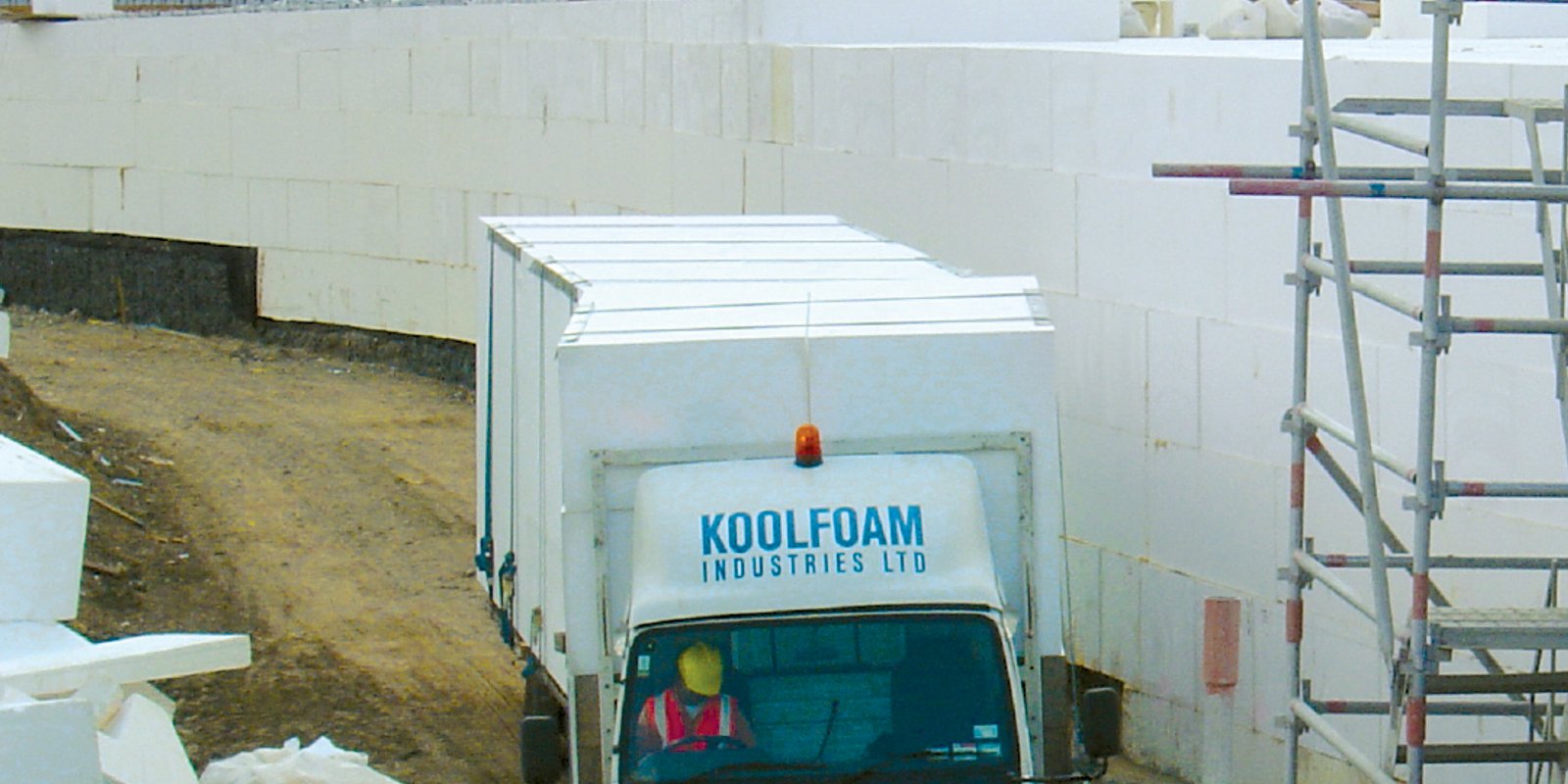

Build Faster and Smarter with Geofoam Structural Fill
Commercial geofoam structural fill is simply blocks of lightweight polystyrene used instead of heavy hard fill. On commercial and civil jobs, those light blocks can replace many truckloads of compacted soil or aggregate. For Auckland projects dealing with soft ground, tight access or tricky staging, switching to geofoam can make a big difference to how quickly and safely work moves ahead.
Developers and civil contractors like geofoam because it helps to speed up installation compared to importing and compacting bulk fill, cut loads on weak or reclaimed ground and over the services, and give designers more freedom with ramp profiles, podiums and landscaping levels. It can also reduce some of the risks that come with traditional fills.
Winter is often when commercial teams in Auckland are planning, pricing and locking in partners for work that will ramp up in spring and summer. That makes it a good time to think about geofoam and who is actually qualified to install it. Not every contractor understands how to design, detail and build with geofoam correctly, so picking the right partner is key for performance and compliance.
Why Geofoam Makes Sense for Auckland Commercial Sites
Auckland has plenty of challenging sites, from soft or reclaimed ground near the water to tight infill developments squeezed between existing buildings. Heavy fill on poor soils can lead to long-term settlement, movement and extra stress on nearby structures. That is where commercial geofoam structural fill starts to stand out.
Because geofoam is so light compared to soil or concrete, it can:
- Reduce pressure on underground services, tanks and tunnels
- Limit settlement over weak ground and backfilled areas
- Support faster build-ups for podium slabs, ramps and driveway approaches
- Help keep weight off retaining walls and bridge approaches
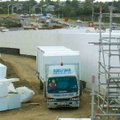
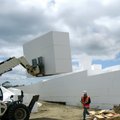
On commercial projects, we often see geofoam used where height needs to be built up quickly, for example under podium landscapes and rooftop gardens, carpark ramps and entry roads, and footpaths and plazas over service corridors.
In a seismic event, lower mass can mean lower forces. Using lightweight fill helps designers manage how loads are transferred into the ground and into nearby structures. While your engineer will always do the detailed design, geofoam gives them another tool to control movement and reduce strain.
Auckland's wet months can slow down traditional fill methods. Large excavation, heavy truck movements, and weather-sensitive work like concrete pours all become harder to manage. Geofoam blocks arrive ready to place, which can help projects stay closer to programme when the weather is not playing nice. In practice, that often means teams can:
- Cut down on excavation depth
- Reduce the number of truck movements across soft or muddy sites
- Avoid delays linked to curing times for concrete fill options
What to Look for in a Geofoam Contractor
If you are using commercial geofoam structural fill, you want a contractor that understands it is more than just stacking blocks. There is real engineering work behind a good outcome. Before you commit, check that they have:
- A proven track record on larger commercial or civil geofoam projects
- Clear understanding of EPS and XPS properties, including density and strength grades
- Knowledge of how loads move through the fill into pavements, slabs and walls
- Experience with drainage, waterproofing interfaces and protection layers over the blocks
On top of technical skills, make sure they are set up to work in the commercial and infrastructure space. That usually means:
- Strong health and safety systems suited to bigger sites
- Quality assurance processes for layout, cutting and placement
- Familiarity with local council expectations and New Zealand Standards
- Appropriate insurances for commercial construction and civil works
A good geofoam contractor will also work closely with a specialist manufacturer. Partnering with a contractor who already collaborates with a local polystyrene supplier helps ensure the right EPS or XPS type and density is selected for each part of the job, details are correct where geofoam meets pavements, slabs and retaining structures, and the solution suits local ground conditions and climate.
Key Questions to Ask Before You Award the Contract
Before you sign anything, it pays to dig a little deeper. Consider asking potential contractors questions like:
- Can you show recent examples of commercial geofoam structural fill work in Auckland?
- How did you manage settlement risk and traffic loads on those jobs?
- What was your approach to staging the works alongside other trades?
Then move into practical delivery points. For projects starting in winter or early spring, you might ask:
- How will you sequence the installation around wet weather?
- What is your plan for weather protection if the site is exposed?
- How will you manage access, lifting and cutting of blocks on a live commercial site?
- How will waste offcuts be minimised and removed?
Value engineering is another area where strong contractors stand out, because it often affects programme certainty and the amount of rework required later. It is worth asking:
- How do you work with designers and suppliers to optimise block sizes and densities?
- Can you suggest layout options that reduce cutting and save time on site?
- How do you support the design team with technical data for council approvals?
Their answers will tell you a lot about whether they see geofoam as a full system or just another line item.
How to Compare Geofoam Quotes Properly
When tenders come back, it is tempting to look straight at the total number. With commercial geofoam structural fill, that can be risky if you do not understand what is included. Ask each contractor for a clear breakdown of:
- Design input and shop drawings
- Engineering review or sign-off, if they are providing it
- Supply of geofoam blocks and any specialty densities
- Installation, protection layers, and joint taping or wrapping
- Details for connections to pavements, slabs, walls or barriers
Pay close attention to items that are missing or only loosely described. Low prices can hide gaps such as:
- Incomplete drainage around or under the fill
- Missing waterproofing interfaces with surrounding structures
- Lack of load-spreading slabs or traffic protection where vehicles will run
- No allowance for protection from construction traffic while the build continues
Local manufacturing and supply is also worth considering. Working with teams that use locally made EPS or XPS can mean:
- Shorter lead times and better delivery flexibility
- Faster response if site conditions change and densities or sizes need to be adjusted
- Confidence that the product suits New Zealand conditions and relevant standards
A quote that looks higher at first might actually cover more of what you need for a low-stress build.
How Koolfoam Supports Successful Geofoam Projects
As an Auckland-based manufacturer of EPS and XPS polystyrene products, we spend a lot of time helping project teams get geofoam right. Our role is to support contractors, engineers and developers with technical guidance for commercial geofoam structural fill, from early concept through to delivery.
When you work with contractors who already know our systems, you usually see smoother projects because those teams are used to accurate take-offs that match design loads and levels, selecting the right product types and densities for different zones, and coordinating block sizes to limit cutting and speed up placement.
We understand how commercial, civil and infrastructure projects run in New Zealand, including the pressure of tight programmes and tricky ground. By pairing the right products with experienced contractors, we help projects hit performance goals while supporting durability and environmental outcomes. That partnership approach gives Auckland developers and civil contractors more confidence when they choose geofoam as their structural fill solution.
Get Started With Your Project Today
If you are planning a large commercial build or infrastructure project, we can help you achieve a lighter, more efficient foundation solution with our commercial geofoam structural fill. At Koolfoam, we work closely with your engineers and contractors to tailor the design so it meets both performance and compliance requirements. Talk to our team about your timelines, load conditions and site constraints so we can recommend the most practical approach. To discuss your project in detail or request a quote, simply contact us today.
FAQ
Why is geofoam a good option for Auckland commercial sites?
Because geofoam is so light compared to soil or concrete, it can reduce pressure on underground services, tanks and tunnels, limit settlement over weak ground and backfilled areas, support faster build-ups for podium slabs, ramps and driveway approaches, and help keep weight off retaining walls and bridge approaches.
What should you look for in a geofoam contractor?
A proven track record on larger commercial or civil geofoam projects, clear understanding of EPS and XPS properties, including density and strength grades, knowledge of how loads move through the fill into pavements, slabs and walls, and experience with drainage, waterproofing interfaces and protection layers over the blocks.
What commercial construction capabilities should a geofoam contractor have?
Strong health and safety systems suited to bigger sites, quality assurance processes for layout, cutting and placement, familiarity with local council expectations and New Zealand Standards, and appropriate insurances for commercial construction and civil works.
What makes a geofoam contractor the right fit for commercial projects?
The right contractor understands geofoam as a complete system, not just a block product. They should have commercial or civil experience, know how loads transfer through the fill, and be able to coordinate drainage, protection layers, and installation details properly.
How does geofoam help improve build speed and reduce site risk?
Geofoam can speed up construction because it arrives ready to place, reduces the amount of excavation and heavy truck traffic, and helps limit settlement on weak ground. It also lowers structural loads, which can reduce risk on challenging sites and make staging easier.
What should be included in a geofoam quote?
Design input and shop drawings, engineering review or sign-off, if they are providing it, supply of geofoam blocks and any specialty densities, installation, protection layers, and joint taping or wrapping, and details for connections to pavements, slabs, walls or barriers.
What are the benefits of local manufacturing and supply?
Shorter lead times and better delivery flexibility, faster response if site conditions change and densities or sizes need to be adjusted, and confidence that the product suits New Zealand conditions and relevant standards.