
 34 Grayson Avenue, Papatoetoe, Auckland 2104



Rethinking Groundworks for Faster, Leaner NZ Builds
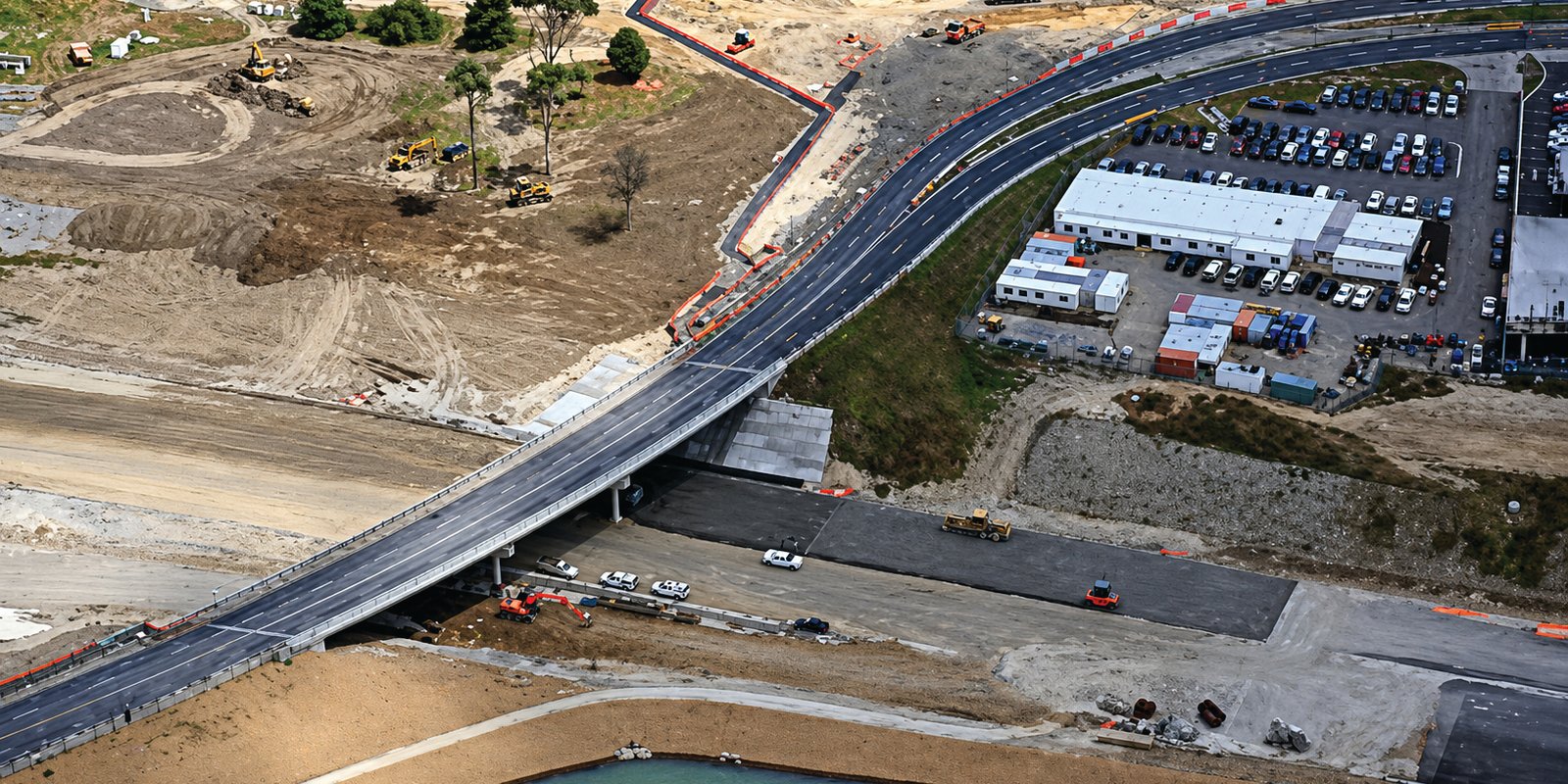
Ground conditions are putting real pressure on projects across Auckland and the rest of Aotearoa. Tight urban sites, soft ground, and packed programmes mean traditional soil fills and long surcharging periods can slow everything down and add risk. When access is tricky and the weather is against you, every extra week on site hurts.
Lightweight structural fill geofoam gives designers another option. Instead of adding more weight to already weak ground, geofoam cuts the load right back. That can reduce settlement, speed up construction, and keep surrounding assets safer. In this article we walk through the tradeoffs between geofoam and traditional soil fill, looking at cost, settlement, installation time, and safety for real New Zealand conditions and codes.
How Geofoam Changes the Ground You Build on
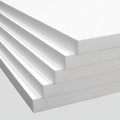
Geofoam is expanded polystyrene blocks made for civil and structural work. It is not the offcut from packaging, it is engineered as a structural fill material with grades that have known compressive strength and reliable performance data.
Key properties that set geofoam apart include:
- Very low density compared to soil
- High stiffness for its weight
- Low creep when correctly specified
- Options with low water absorption
- Simple shaping and cutting on site
Because it is so light, geofoam adds only a small fraction of the stress that soil adds to soft subgrades. You can build embankments, bridge approaches, podiums, and road widenings with far less load on the underlying ground. The material still works well under pavements and slabs when the right grade is selected for the expected loads.
New Zealand ground conditions make this especially useful. Many projects sit on soft alluvial deposits, coastal margins, or reclaimed land, where traditional fill can keep settling for years. On top of that, our seismic activity means we want to manage both long-term settlement and how the ground behaves in shaking. A lightweight structural fill like geofoam helps reduce strain on soft layers and can make it easier to control how a structure will move.
Cost Tradeoffs Beyond the Price Per Cubic Metre
On paper, soil fill may look attractive because the material itself often has a lower supply rate per cubic metre. Geofoam usually sits higher on that simple comparison. But material price is only one part of the real project cost.
When you use traditional soil fill you might also need:
- Ground improvement like stone columns or soil mixing
- Long surcharging periods to squeeze out settlement
- Staged construction to control stability
- Large excavators, compactors, and more fuel
- Carting soft spoil away from site
Geofoam can cut or remove a lot of that. Its light weight means existing weak soils do not need as much improvement, if any. Height can be built quickly without long wait times for consolidation. Smaller plant, fewer passes, and simpler access can all trim programme time.
For New Zealand budgets, that time factor really matters. Our construction seasons are limited, especially in areas that stay wet for long periods. Soft sites can turn to mud, making it hard to compact soil properly. Geofoam blocks are far less sensitive to rain and wet ground during placement, so teams can keep moving with less weather-related downtime and less rework when conditions turn messy.
Settlement, Stability, and Performance Under Load
Traditional soil behaves in a way most engineers know well. You place it in layers, compact it, and then the underlying soft ground slowly consolidates as the extra weight squeezes water out. That can take months or years. If the ground is variable, you can get differential settlement that cracks pavements, tilts structures, and strains pipes and services.
Geofoam flips this problem on its head. Because it is so light, it adds very little extra vertical stress to the soft layers below, which sharply reduces long-term settlement. It also gives designers much better control over transitions. At bridge approaches, podium edges, or where new work meets existing, geofoam can be used to balance loads and keep movement differences small.
Designers still need to treat geofoam as a structural material, not a magic solution. Key design steps include:
- Selecting the right EPS grade for the expected compressive load
- Providing lateral restraint so blocks cannot shift sideways
- Detailing drainage so water does not pond around the blocks
- Allowing for seismic performance in line with local requirements
- Checking compliance with Waka Kotahi and council expectations
When those points are handled early in design, geofoam can give very reliable, predictable performance over the life of the asset.
Installation Speed, Site Access, and Safety Gains
Building with soil is familiar but slow. You normally:
- Excavate and stockpile or cart away material
- Place fill in thin layers
- Check and adjust moisture and density
- Compact each layer with heavy plant
- Repeat for many passes to reach final level
In wet winter conditions, this often stalls. The ground pumps under compaction, moisture targets are hard to hit, and plant access becomes a headache.
Geofoam installation is very different. Blocks are delivered to site and can be:
- Hand placed or set with a small crane or excavator
- Stacked quickly to full height without compaction
- Cut or shaped on site for services and edge conditions
- Covered with a capping layer ready for pavement or slab works
Because you are not trying to compact wet soil, rain has less impact on progress. Blocks are light to handle, there is less heavy machinery working right at the edge of excavations, and traffic management can often be simpler. Fewer truckloads of fill also reduce movements near live traffic and reduce vibration near existing buildings and sensitive services.
Sites using geofoam often feel tidier and easier to manage, which helps with both safety and community impacts in tight urban areas.
When Lightweight Geofoam Wins and When Soil Still Fits
Geofoam is not the right answer for every job, and that is okay. It really shines where ground or programme create pressure that traditional options struggle to solve.
Typical situations where lightweight structural fill geofoam is especially helpful include:
- Soft or compressible ground where settlement limits are tight
- Bridge approaches and abutments that need stable transitions
- Road widenings beside live traffic with limited space
- Podium slabs and roof decks needing low weight fill
- Upgrades over existing services that cannot take extra load
Traditional soil fill still has a clear place. On greenfield sites with good natural ground, plenty of room, and longer timeframes, soil can be perfectly suitable. Access for large earthworks plant is easier and the risk from settlement might be acceptable or simple to manage.
A practical way to choose between the two is to look at:
- Allowed settlement and differential movement limits
- Programme risk, especially around weather and staging
- Access constraints and traffic management requirements
- Environmental sensitivities and spoil handling limits
- Whole-of-life cost instead of material price alone
When those drivers are laid out early, teams can see where geofoam gives value and where traditional soil will do the job just fine.
Planning Your Next Project with Koolfoam Geofoam
For projects across Auckland and the wider country, bringing geofoam into early concept talks can unlock options that are hard to see once the ground profile and staging are fixed. Lightweight structural fill can help trim foundation sizes, shorten programmes, and lower the risk of winter slowdowns on soft or constrained sites.
At Koolfoam, we manufacture EPS geofoam locally in Auckland and work with civil and structural teams to choose suitable grades and details for their specific designs. We support engineers and contractors with practical advice on handling, sequencing, and integration with pavements, slabs, and retaining structures so geofoam behaves as intended in New Zealand conditions.
Get Started With Your Project Today
If you are planning a civil, commercial or residential project and need a dependable ground improvement solution, our team at Koolfoam is ready to help you specify the right lightweight structural fill geofoam for the job. We can work with your engineers and contractors to meet load, drainage and construction timelines efficiently. To discuss design details, pricing or lead times, simply contact us and we will get back to you promptly with practical guidance.
FAQ
What is geofoam and how is it different from traditional soil fill?
Geofoam is expanded polystyrene blocks made for civil and structural work. It is not the offcut from packaging, it is engineered as a structural fill material with grades that have known compressive strength and reliable performance data.
Why can geofoam help reduce settlement on soft ground?
Because it is so light, geofoam adds very little extra vertical stress to the soft layers below, which sharply reduces long-term settlement.
Why can geofoam be more cost-effective even if the material price is higher than soil?
Geofoam can cut or remove a lot of that. Its light weight means existing weak soils do not need as much improvement, if any. Height can be built quickly without long wait times for consolidation. Smaller plant, fewer passes, and simpler access can all trim programme time.
How is geofoam installation different from soil installation?
Geofoam installation is very different. Blocks are delivered to site and can be hand placed or set with a small crane or excavator, stacked quickly to full height without compaction, cut or shaped on site for services and edge conditions, and covered with a capping layer ready for pavement or slab works.
What design checks are important when specifying geofoam?
Designers still need to treat geofoam as a structural material, not a magic solution. Key design steps include selecting the right EPS grade for the expected compressive load, providing lateral restraint so blocks cannot shift sideways, detailing drainage so water does not pond around the blocks, allowing for seismic performance in line with local requirements, and checking compliance with Waka Kotahi and council expectations.
When does lightweight geofoam make the most sense?
Typical situations where lightweight structural fill geofoam is especially helpful include soft or compressible ground where settlement limits are tight, bridge approaches and abutments that need stable transitions, road widenings beside live traffic with limited space, podium slabs and roof decks needing low weight fill, and upgrades over existing services that cannot take extra load.
When is traditional soil fill still a suitable option?
Traditional soil fill still has a clear place. On greenfield sites with good natural ground, plenty of room, and longer timeframes, soil can be perfectly suitable. Access for large earthworks plant is easier and the risk from settlement might be acceptable or simple to manage.