34 Grayson Avenue, Papatoetoe, Auckland 2104


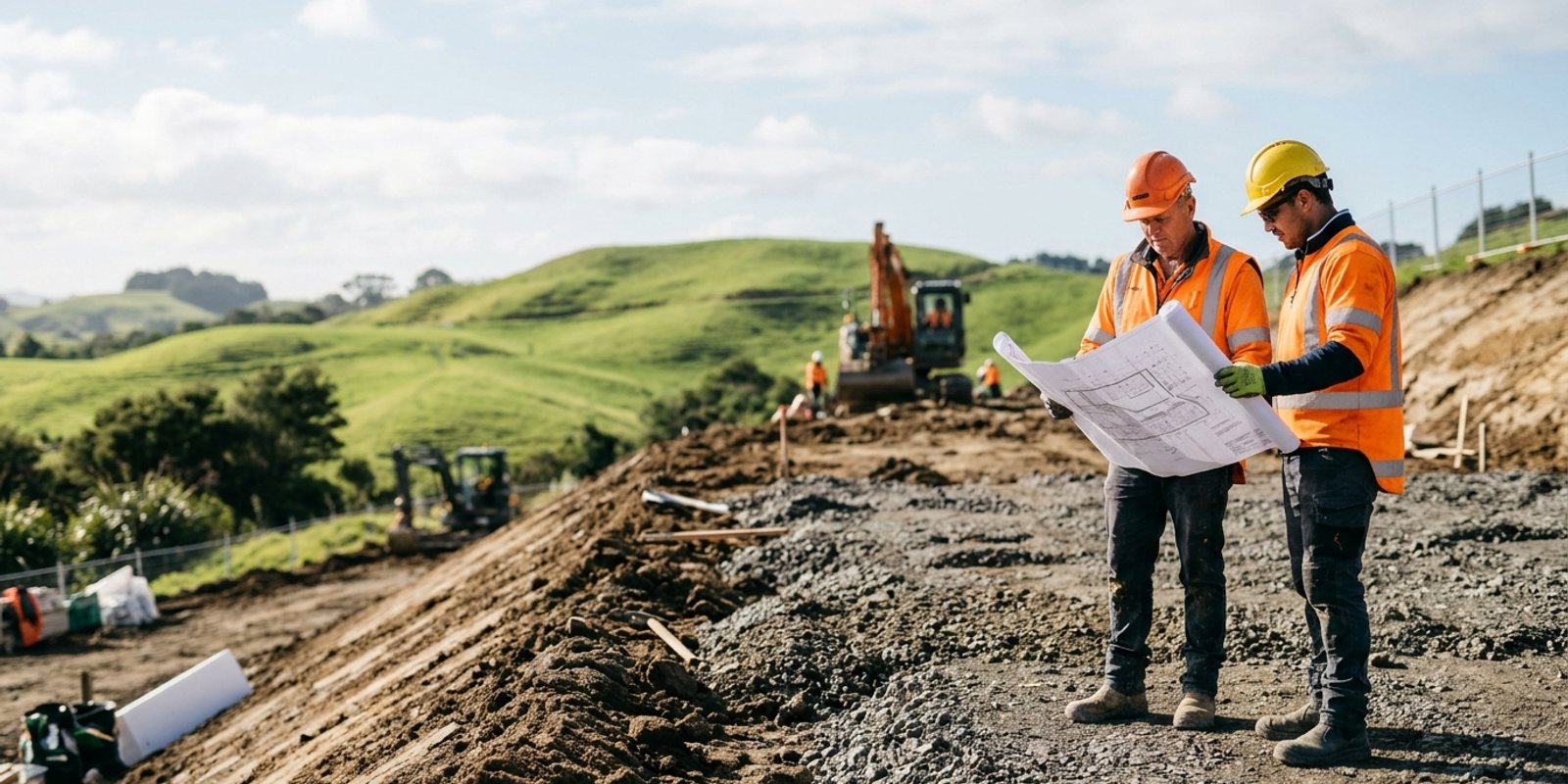

Keep Auckland Civil Programmes Moving with EPS Geofoam
Coordinating geofoam contractors in Auckland takes more than booking a delivery and setting blocks in place. On tight civil sites, access routes, design sign-off, excavation work and follow-on trades all need to line up so each crew can work safely without holding up the next one.
We see EPS Geofoam help teams sequence work in embankments, retaining-wall backfill, bridge approaches and ground-improvement works. Its lightweight nature can make it a practical fill solution where construction staging and site access need careful planning, especially during Auckland's spring building season.
Set Clear Briefs for Geofoam Contractors in Auckland
A good installation begins with one agreed set of documents. We recommend that the civil designer's drawings, specifications and approved construction methodology are treated as the single source of truth for everyone on site. Before work starts, the installation crew should have confirmed block dimensions, elevations, grading needs, drainage details and any load-related protection requirements.
Early coordination avoids small gaps becoming site delays. Bring together the principal contractor, civil engineer, site supervisor, geofoam contractors in Auckland and the trades that will work around or over the installed material. This gives the team time to agree on the practical details before blocks arrive.
Topics worth confirming at the meeting include:
- Installation zones and the order in which they will be released
- Temporary works, excavations and safe plant movements
- Inspection hold points and engineer approvals
- Interfaces with drainage, concrete, retaining walls and services
Clear responsibility is just as important as clear drawings. The team should know who accepts deliveries, checks material on arrival, places and trims blocks, installs protection layers and prepares as-built records. We supply fit-for-purpose EPS Geofoam products nationwide throughout New Zealand, which allows project teams to match supply timing to an agreed Auckland programme.
Plan Deliveries Around Auckland Access and Spring Programmes
Material delivery should be part of the installation plan, not a separate task to solve at the gate. Auckland civil sites may have limited laydown space, shared access roads, traffic-management requirements or strict delivery windows. Before scheduling transport, we recommend confirming how vehicles will enter, where they can unload and whether a crane, excavator or other suitable equipment will be ready.
Staged deliveries can keep a site orderly. Rather than filling every available corner with blocks, arrange deliveries around the approved installation sequence. This reduces unnecessary handling, keeps access routes clearer and means each installation zone has the material it needs when the crew is ready.
For delivery planning, site teams should check:
- Vehicle access, turning space and unloading locations
- Traffic-management rules and delivery time restrictions
- The lifting plan and availability of suitable plant
- The order in which blocks are needed for each work area
- Storage locations that keep materials clear of other activities
Spring weather can also change daily site conditions. EPS Geofoam is suitable for wet-weather conditions, but the wider site still needs safe access, stable unloading areas and workable excavation conditions. Rain may affect personnel movements, plant use and the timing of adjacent works, so it helps to keep delivery plans flexible enough to respond to changing conditions.
Coordinate Installation Work on Site
Once the work area is released, a clear sequence gives geofoam contractors in Auckland the best chance of installing accurately and efficiently. The site team should confirm formation levels, subgrade preparation and set-out before the first course is placed. Starting right matters because each layer relies on the level and alignment of the one below it.
During placement, regular checks are far easier than fixing an issue after later work covers the area. We recommend that supervisors compare each stage against the approved design and record checks at agreed hold points. Block orientation, joint tightness, stepping arrangements and levels all deserve attention as the work progresses.
The crew should also check details that can be easy to miss when a programme is moving quickly, including penetrations, service interfaces and required separation or drainage components. Any trimming should follow the approved methodology, and any question about the design should be raised before the next layer or protective material is installed.
Good communication with nearby trades keeps the workfront safe and avoids accidental damage. Earthworks crews, drainage contractors, concrete teams and retaining-wall specialists need to understand when they can enter an area, where they can place loads and which steps require engineer approval. A short daily discussion can prevent one trade from undoing another team's completed work.
Protect Installed EPS Geofoam Through Every Trade Handover
Protection planning should start before installation, not after the last block is placed. Project specifications may call for protective layers, membranes, geotextiles, concrete elements or engineered fill over or around the EPS Geofoam. When these materials and handover points are planned early, each crew knows what is expected before it takes control of the area.
Plant access needs the same level of care. Clearly marked exclusion zones, agreed travel routes and instructions for each trade can help prevent avoidable loading or impact on completed sections. If work must occur close to installed geofoam, the site manager should confirm the protection measures before allowing that activity to begin.
Useful handover records can include:
- Photographs of each completed stage
- Level checks and set-out confirmations
- Engineer inspection and sign-off records
- Notes on drainage, services and protection layers
- As-built information before the work is covered
These records are not paperwork for its own sake. They give the project team a clear history of what was installed, when it was checked and what remains to be completed before the next construction activity begins.
Turn Spring Planning Into Reliable Project Delivery
Reliable EPS Geofoam work comes from bringing supply, engineering, installation and follow-on trades into the conversation early. When the brief is settled, deliveries match the work sequence and inspection points are understood, teams can make decisions with less guesswork on site.
The practical takeaway is simple: protect the programme by protecting the handovers. Clear drawings, safe access, disciplined placement checks and documented approvals help every trade take over a completed area with confidence.
Keep Your Geofoam Programme Moving
Koolfoam supplies EPS Geofoam nationwide throughout New Zealand, with practical support for site-specific requirements. For dependable geofoam contractors in Auckland, our team can help align supply, specifications and delivery with your construction sequence. Contact us to discuss your upcoming project.
FAQs
What documents should geofoam contractors work from on an Auckland civil site?
The civil designer's drawings, specifications and approved construction methodology should be the single source of truth. Before work starts, the crew should also have confirmed block dimensions, elevations, grading needs, drainage details and any load-related protection requirements.
Who should attend the pre-start coordination meeting for a geofoam installation?
The principal contractor, civil engineer, site supervisor and geofoam contractor should all be involved, along with the trades that will work around or over the installed blocks. Meeting early lets the team settle practical details before any material arrives.
How should EPS Geofoam deliveries be planned on a tight Auckland site?
Treat deliveries as part of the installation plan. Confirm vehicle access, unloading locations, traffic-management rules and lifting equipment in advance, then stage deliveries to match the order each work area will be installed so blocks are not handled more than needed.
Can EPS Geofoam be installed during wet spring weather?
Yes, EPS Geofoam is suitable for wet-weather conditions. Rain can still affect site access, plant use and nearby works, so delivery plans should stay flexible enough to respond to the conditions on the day.
What should be checked while geofoam blocks are being placed?
Formation levels, subgrade preparation and set-out should be confirmed before the first course goes down. During placement, supervisors should check block orientation, joint tightness, stepping and levels against the approved design, and record those checks at agreed hold points.
How can other trades avoid damaging installed EPS Geofoam?
Plan protection layers and handover points before installation begins. Marked exclusion zones, agreed plant routes and clear instructions for each trade help prevent loading or impact, and the site manager should confirm protection before any work goes ahead close to the blocks.
What records are useful when handing over a completed geofoam area?
Helpful records include photos of each finished stage, level and set-out checks, engineer inspection and sign-off, notes on drainage, services and protection layers, and as-built information captured before the area is covered.