34 Grayson Avenue, Papatoetoe, Auckland 2104


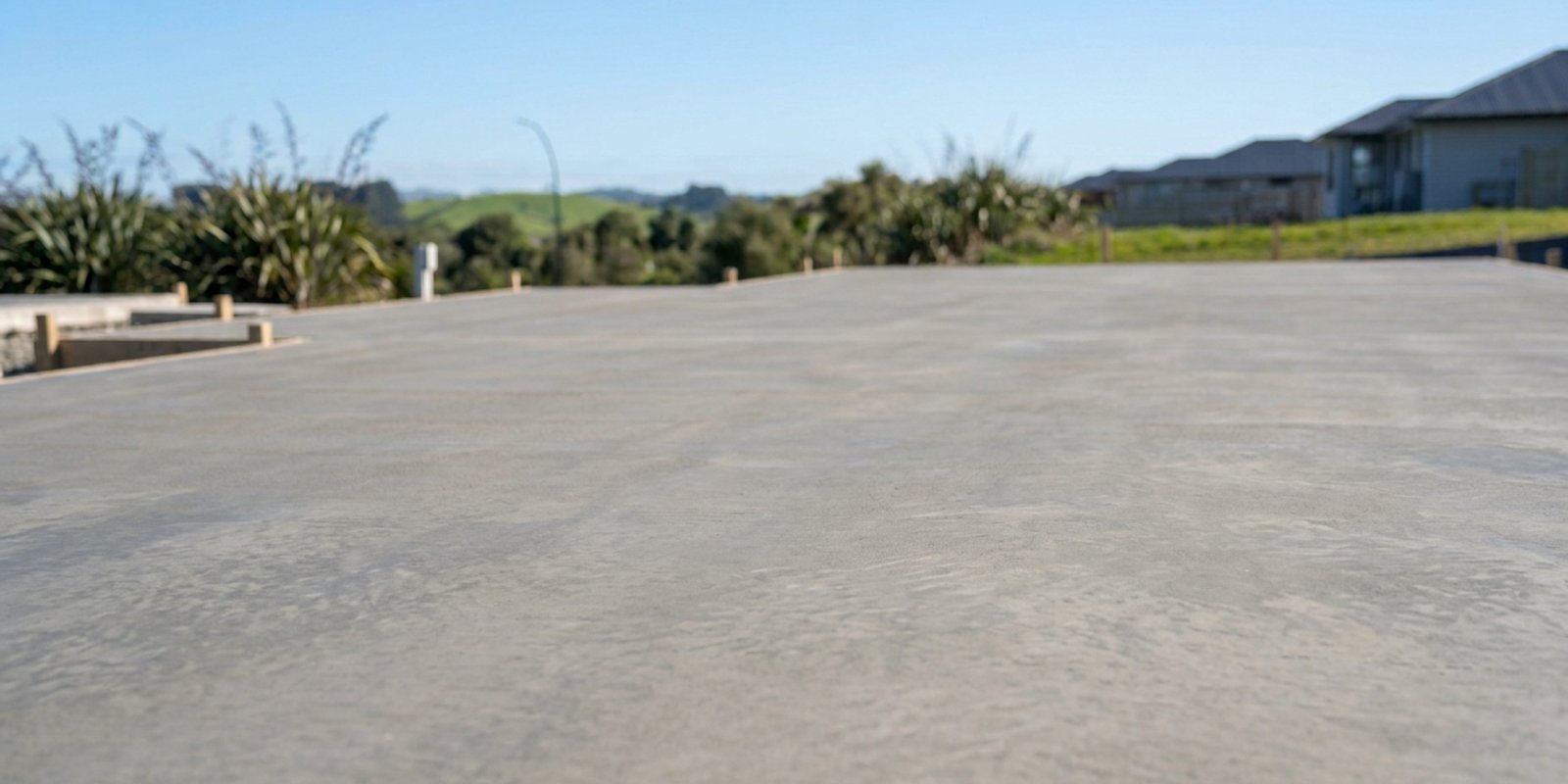

Protect Your Slab Before the Trucks Arrive
A concrete pour moves quickly once pumping begins, and problems beneath the slab are rarely simple to fix afterwards. A structured pre-pour check helps your team catch insulation issues before they affect thermal performance, slab levels, concrete placement or the programme.
Late October can bring changeable spring weather across New Zealand, so we recommend coordinating the inspection with the site supervisor, concrete crew and relevant trades before pour day. At Koolfoam, we manufacture and supply fit-for-purpose EPS and XPS polystyrene solutions for construction and civil projects nationwide throughout New Zealand.
Confirm Under-Slab Insulation for Concrete Matches the Plans
Before the concrete arrives, we recommend comparing the installed under-slab insulation for concrete against the latest approved drawings, specification and engineering requirements. This is the point to confirm that the correct product type, thickness and compressive strength have been installed, rather than relying on assumptions made earlier in the build.
Pay particular attention to areas with different slab demands. Some designs identify zones that need a particular insulation grade or layout due to thicker slab sections, loads or construction details. These areas need to match the design exactly.
Your check should include:
- The specified EPS or XPS product is installed in the correct locations
- Board thickness matches the slab design
- High-load areas have the required material and layout
- Insulation covers the full required footprint
- Perimeter zones, internal thickened edges and designed slab details are complete
Small omissions can become major headaches once concrete is placed. Look for missing sheets, incorrect product substitutions and pieces that have been cut too short or do not meet the intended dimensions. Offcuts can be useful only where they suit the approved layout and remain properly supported.
Site activity can also affect boards after installation. Reinforcing steel placement, foot traffic, stored materials and work by other trades may crack, dent, shift or compress insulation. We suggest that damaged boards are assessed before the pour, with any unsuitable pieces replaced while access is still easy. A clean, complete insulation layer gives the rest of the slab system a sound base to work from.
Check Joints, Edges and Service Penetrations
The spaces between boards deserve as much attention as the boards themselves. Sheets should be tightly butted, aligned and supported as intended by the slab design. Gaps, uneven joints and displaced boards can create weak points in the insulation layer and make concrete placement less predictable.
As your team walks the slab area, inspect whether boards sit flat and remain in position. A board that has lifted at one edge or shifted away from its neighbour may allow concrete to flow where it should not. That can affect levels and make it harder to achieve a neat, consistent pour.
Give extra attention to:
- Slab edges and formwork interfaces
- Thickened beams, rebates and transitions
- Tight cuts around corners and changes in level
- Areas where insulation meets other slab components
- Any void where concrete could travel beneath or between boards
Services are another common source of last-minute changes. Plumbing, electrical conduits, drainage lines and other penetrations should be checked against the latest services layout, not an earlier version of the plan. All penetrations need to be in their final positions before concrete is poured.
Where services pass through the insulation, boards should be neatly fitted around them without large open spaces or loose pieces. The service installation also needs protection from movement during concrete placement. If a pipe, conduit or board can shift while the crew is working, it is better to resolve that before pumping starts than to try to manage it in the middle of a pour.
Prepare the Site for a Controlled Concrete Pour
Under-slab insulation does not sit alone. Reinforcement, chairs, mesh, vapour barriers and other specified components all need to work together without damaging or moving the insulation beneath them. We recommend confirming that reinforcement supports are suitable for the system and positioned in a way that minimises point loading, punctures and board movement.
A vapour barrier should also be checked for tears, loose laps or areas disturbed by later work. If it has been placed over the insulation, the crew needs a clear plan for moving across the slab area without dragging materials or dislodging boards.
Clear responsibilities make the pour easier to manage. Before work begins, agree on who will monitor key areas and who has authority to pause work if a problem appears. A simple plan may include:
- One person checking slab edges and formwork during placement
- A nominated team member watching for insulation movement or lifting
- A clear process for reporting damage immediately
- A final walk-through with the site supervisor before pumping begins
Spring rain does not automatically mean insulation has failed or cannot be used. The site team still needs to manage standing water, access and safe working conditions according to project requirements. Where EPS Geofoam is part of a broader project, it is suitable for wet weather conditions when installed in accordance with the design. The main goal is to keep the work area controlled, safe and ready for accurate placement.
Turn Pre-Pour Checks Into Better Slab Performance
A reliable pre-pour routine comes down to a few practical checks: confirm the specified product, inspect coverage and levels, secure joints and edges, verify service locations, and organise the concrete placement process. None of these tasks need to slow a project down when they are built into normal pour preparation.
Questions are best raised early with the project designer, engineer or supplier, before the slab becomes permanent. Taking one last careful walk across the prepared area helps your team pour with confidence and protects the work that sits beneath the concrete.
Build Confidence Into Every Slab
Koolfoam can help you select under-slab insulation for concrete that suits your project requirements. Our team supplies reliable insulation solutions nationwide throughout New Zealand for residential and commercial builds. If you would like product guidance or pricing, contact us to discuss your plans.
FAQs
Why check under-slab insulation before a concrete pour?
Problems beneath a slab are rarely simple to fix once the concrete is placed. A pre-pour check catches insulation issues before they affect thermal performance, slab levels, concrete placement or the programme.
What should installed under-slab insulation be checked against?
Check it against the latest approved drawings, specification and engineering requirements. Confirm the product type, thickness and compressive strength are correct, rather than relying on assumptions made earlier in the build.
What should happen to damaged insulation boards before the pour?
Have them assessed before pour day and replace any unsuitable boards while access is still easy. Steel placement, foot traffic, stored materials and other trades can all crack, dent, shift or compress insulation.
Why do gaps between insulation boards matter?
Gaps, uneven joints and displaced boards create weak points in the insulation layer. A lifted or shifted board can also let concrete flow where it shouldn't, which can affect slab levels.
When should service penetrations be finalised?
All plumbing, electrical and drainage penetrations need to be in their final positions before the concrete is poured. Check them against the latest services layout, not an earlier version of the plan.
How should the crew organise responsibilities on pour day?
Agree before work starts who will watch the slab edges and formwork, who will look for insulation movement, and how damage gets reported. Someone should also have clear authority to pause work if a problem appears.
Does spring rain mean under-slab insulation can't be used?
No. Rain doesn't automatically mean insulation has failed. The site team still needs to manage standing water, access and safe working conditions according to the project requirements.