
 34 Grayson Avenue, Papatoetoe, Auckland 2104



Why Auckland Homes Lose Heat Through Uninsulated Floors
Cold floors can make an otherwise heated Auckland home feel uncomfortable in late winter. August often brings damp air, cool mornings and quick weather changes, all of which can make it harder to hold warmth indoors. While ceilings, walls and windows get plenty of attention, the floor is often an overlooked part of the home's thermal envelope.
At Koolfoam, we know that a warmer floor can improve everyday comfort, reduce the feeling of draughty rooms and help your heating work more effectively. Below, we explain why underfloor heat loss happens, which homes may be more exposed to it, and what to consider when choosing insulation.
Why Suspended Floors Feel Cold in Winter
Many Auckland homes sit on piles and have suspended timber floors. Beneath the floorboards is a subfloor cavity where cooler air can move around. Without insulation between the floor joists, that cold air can draw warmth away from the floor surface above.
Warm air inside your home naturally rises, but heat also moves from warmer areas towards cooler ones. When the space below your floor is cold, the floorboards can cool down from underneath. That is why you might turn on the heater yet still feel cold through your feet.
We often see this issue become more noticeable:
- Early in the morning, before the home has warmed up
- After sunset, when outside temperatures drop
- In rooms with little sun exposure
- Around the outside edges of living spaces
- In older homes with little or no existing underfloor insulation
Older properties can be more prone to this problem because they were built before today's thermal performance expectations were common. Still, newer homes are not automatically protected. Missing insulation, poorly fitted sections and gaps around framing or services can all leave parts of the floor exposed.
Homeowners looking for underfloor insulation supply in Auckland should consider both the thermal performance of the insulation and whether it is appropriate for the home's floor construction, access conditions and installation requirements.
Gaps and Air Movement Add to the Chill
A cold floor is not always caused by missing insulation alone. Small gaps in flooring, openings around pipes or wiring, and air movement beneath the home can make rooms feel cooler than expected. Heating may be running, but the room can still lose warmth quickly through the floor structure.
Underfloor insulation works by reducing heat transfer through the floor. For the best result, the insulation layer needs to be consistent across the floor area. We recommend having the installation considered carefully so the product fits securely between joists or against the relevant structure, with as few uninsulated gaps as practical.
Signs that your floor may be contributing to heat loss include:
- Floorboards that feel cold underfoot
- Uneven temperatures between rooms
- A persistent chill near walls or room edges
- Heating that seems to run for long periods
- Rooms that cool down soon after heating is switched off
Your floor should not be viewed in isolation. Ceiling, wall and floor insulation each have a different job, and improvements in one area can work better when other major paths for heat loss are also assessed. A complete view of the home can help you make more informed decisions about comfort and energy use.
Choosing Insulation for Long-Term Floor Performance
The right underfloor insulation option depends on more than the age of the home. Floor type, joist spacing, available clearance, moisture management needs and the desired thermal performance all matter. A site-specific assessment can help identify what is practical before materials are chosen.
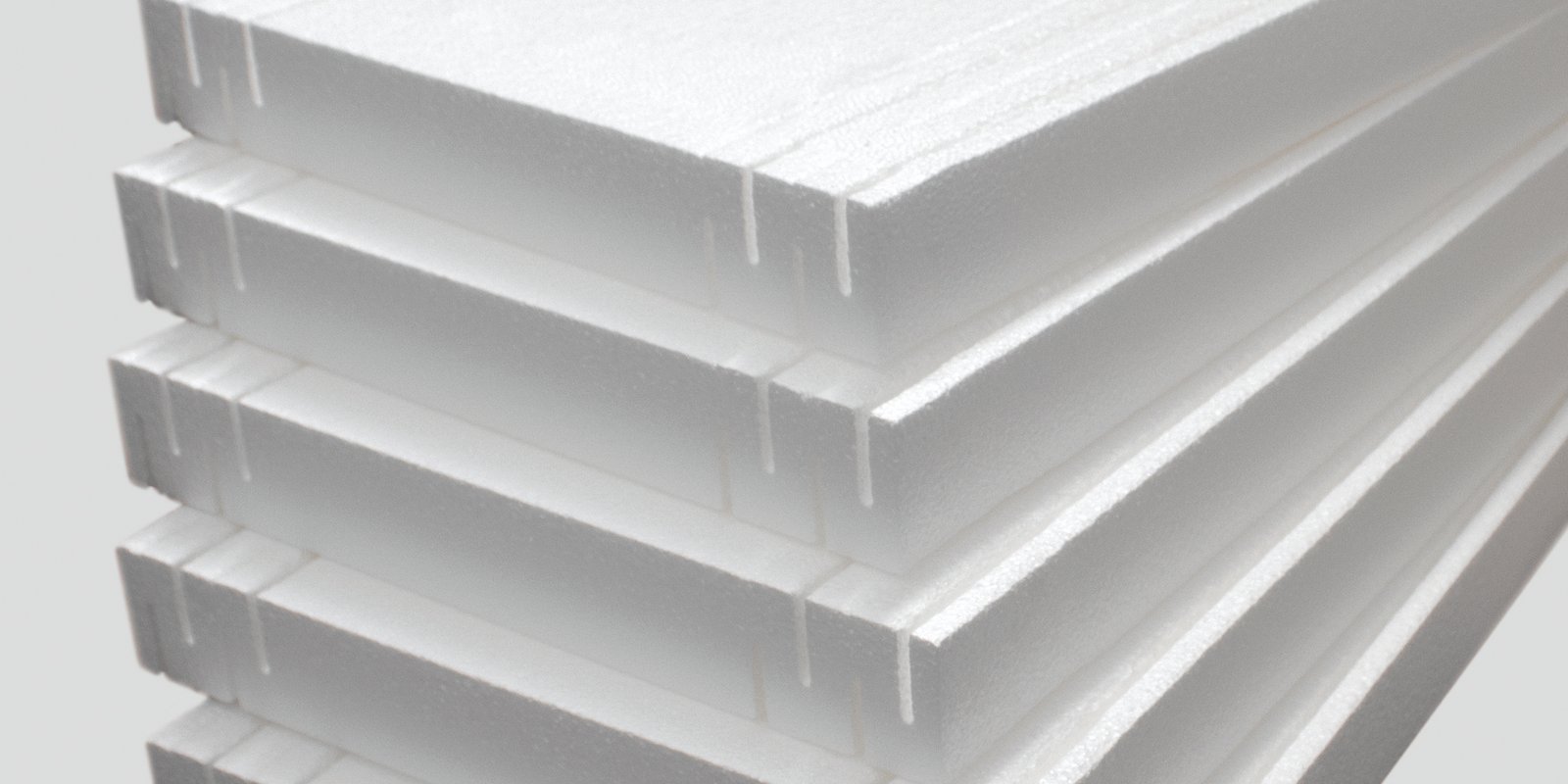
We manufacture and supply EPS and XPS polystyrene insulation products for a range of residential, commercial and civil applications. Rigid polystyrene insulation can be suitable where the product selection and installation method match the building design and conditions.
When comparing underfloor insulation supply in Auckland, it is useful to work with a supplier that can explain available product options, dimensions, thermal properties and installation considerations rather than treating every floor as the same.
Our product range also includes lightweight structural-fill solutions, including EPS Geofoam for suitable applications. Koolfoam supplies products nationwide throughout New Zealand, supporting projects that need insulation or lightweight fill solutions selected for their particular design requirements.
Plan Ahead Before Spring Building Work Begins
Late winter is a useful time to pay attention to rooms that feel cold. Before spring renovation schedules become busy, you can identify where discomfort is most noticeable and arrange for accessible subfloor areas to be inspected by a qualified building professional where needed.
Useful details to gather before discussing insulation options include:
- Your floor type and approximate floor area
- Joist spacing, if it is known
- Whether there is safe access beneath the home
- The condition of any existing insulation
- Planned renovation or building work
For renovation, new-build and larger property projects, we recommend early coordination between property owners, builders, designers and insulation suppliers. Considering insulation during planning can help reduce rework and support a more consistent thermal layer across the floor.
Material choice matters, but installation quality matters just as much. Products should be installed in line with applicable building requirements, manufacturer guidance and the needs of the specific project.
Make Cold Floors Part of Your Home Comfort Plan
Cold floors are more than a short-term winter annoyance. They can affect how comfortable rooms feel, how long heating needs to run and how easily your home maintains a steady indoor temperature through Auckland's cooler months.
If you notice cold floorboards or rooms that lose warmth quickly, treat the floor as an important part of the home's overall insulation plan. An inspection of the underfloor space and advice suited to your home's construction can help you identify practical options before the next winter arrives.
Choose Insulation Suited to Your Home
Koolfoam provides underfloor insulation supply in Auckland and nationwide throughout New Zealand. We can help you select suitable materials for your home, project requirements and underfloor conditions. To discuss your options or arrange advice, contact us today.
FAQs
Why do suspended floors feel cold in winter?
Many Auckland homes sit on piles and have suspended timber floors. Beneath the floorboards is a subfloor cavity where cooler air can move around. Without insulation between the floor joists, that cold air can draw warmth away from the floor surface above.
When is underfloor heat loss most noticeable?
Early in the morning, before the home has warmed up; after sunset, when outside temperatures drop; in rooms with little sun exposure; around the outside edges of living spaces; and in older homes with little or no existing underfloor insulation.
Are older homes more prone to underfloor heat loss?
Older properties can be more prone to this problem because they were built before today's thermal performance expectations were common. Still, newer homes are not automatically protected. Missing insulation, poorly fitted sections and gaps around framing or services can all leave parts of the floor exposed.
What are the signs that your floor may be contributing to heat loss?
Floorboards that feel cold underfoot; uneven temperatures between rooms; a persistent chill near walls or room edges; heating that seems to run for long periods; and rooms that cool down soon after heating is switched off.
What should you consider when choosing underfloor insulation?
The right underfloor insulation option depends on more than the age of the home. Floor type, joist spacing, available clearance, moisture management needs and the desired thermal performance all matter. A site-specific assessment can help identify what is practical before materials are chosen.
What details should you gather before discussing insulation options?
Your floor type and approximate floor area; joist spacing, if it is known; whether there is safe access beneath the home; the condition of any existing insulation; and planned renovation or building work.
What insulation products does Koolfoam supply?
We manufacture and supply EPS and XPS polystyrene insulation products for a range of residential, commercial and civil applications. Our product range also includes lightweight structural-fill solutions, including EPS Geofoam for suitable applications. Koolfoam supplies products nationwide throughout New Zealand.