
 34 Grayson Avenue, Papatoetoe, Auckland 2104



Why Eco-Friendly Polystyrene Matters for Auckland Builds
Choosing insulation in Auckland is no longer just about keeping a house from feeling damp or drafty. With energy costs rising and building rules getting tighter, the materials we put into walls, slabs and roofs now play a big role in long-term comfort and emissions. Councils, developers and homeowners are all paying closer attention to how a building performs over its whole life.
For projects aiming for Homestar, Green Star or just better comfort, insulation is one of the quickest ways to cut heating and cooling loads. Good insulation reduces the work your HVAC systems need to do, which means less energy use and fewer operational emissions. In Auckland's mild but often wet climate, this is especially important, because many homes and workplaces struggle with warmth and condensation.
Eco-friendly polystyrene in Auckland is becoming a practical option for both residential and commercial builds. When it is chosen and detailed well, it can help to:
- Lift thermal performance without major design changes
- Cut on-site waste by using smarter product sizing
- Support lower operational emissions over decades
But calling any product "sustainable" is not as simple as naming the raw material. With polystyrene, the real story lies in how it is manufactured, how much energy it saves in use, and what happens to it at the end of the building's life.
What Makes Polystyrene More Eco-Friendly Today
Traditional polystyrene often brings to mind loose, squeaky foam and messy beads blowing around a site. Modern construction grade EPS and XPS are very different. They are engineered products with controlled density, stable performance and specific R-values to match New Zealand building requirements.
Several factors can make eco-friendly polystyrene in Auckland a lower impact choice compared with older foam products:
- Optimised density so you get the R-value you need with less material
- Consistent quality, which reduces breakage and replacement
- Long service life when properly installed and protected
Responsible New Zealand manufacturers are also changing how polystyrene is made. At Koolfoam, we focus on:
- In-house recycling of clean offcuts
- Precision cutting to project sizes
- Reducing waste at each stage of production
Modern blowing agents and improved process control help to lower embodied impacts while keeping the foam stable and reliable for many years. The longer the insulation lasts in the building, the more it can offset the energy that went into making it.
For designers and specifiers, proof of performance and sustainability claims matters. It is important to have:
- Clear technical data sheets and product declarations
- Alignment with New Zealand building standards and council expectations
- Transparency about recycling and take-back options
These checks help ensure the "eco-friendly" label is backed by real practice, not just marketing.
Sustainability Myths About Polystyrene in New Zealand
There are plenty of strong opinions about polystyrene, and they are not always based on construction reality. One common myth is that all polystyrene ends up in landfill. Another is that polystyrene is always worse than natural materials. Both ideas miss the wider system.
For a start, it is important to separate single use packaging foam from high density construction insulation. Packaging foam is:
- Often thin and easily damaged
- Used once then thrown away
- Rarely designed with recovery in mind
Construction grade EPS and XPS are different. They:
- Are denser and more durable
- Are locked into the building fabric for decades
- Can significantly reduce heating and cooling demand
When insulation is detailed properly, kept out of direct UV and protected from mechanical damage, it becomes a long-term asset, not a disposable product. Careful design around edges, penetrations and cladding junctions can extend the life of the insulation and keep its performance stable for many years.
The sustainability of any material also depends on the system that surrounds it. That includes:
- How the product is specified in drawings
- How installers are trained to handle and store it
- Whether there are local options to collect and recycle offcuts and clean waste
Across Auckland and the North Island, where recycling and recovery pathways are growing, polystyrene can fit into a more circular pattern, rather than a straight line to landfill.
How Koolfoam Reduces Waste on Auckland Projects
From our base in Auckland, we see firsthand how much difference early planning makes to waste on site. One of the key ways we reduce waste is through custom cutting. By matching EPS and XPS panels to project specifications, we help:
- Minimise offcuts on site
- Reduce time spent trimming and fitting
- Keep sites cleaner and safer for other trades
In our factory, clean EPS waste is collected and processed back into new products. This means offcuts from production are not simply thrown away, and we can keep more material in use for longer. We also support contractors to set up simple site practices so clean polystyrene can be separated, stored and returned for recycling rather than mixed in with general waste.
Locally made eco-friendly polystyrene in Auckland also helps cut transport emissions that come with moving bulky insulation from far away. Shorter supply chains can be especially helpful on large builds that need regular deliveries and consistent product.
On the design side, our products are commonly used in:
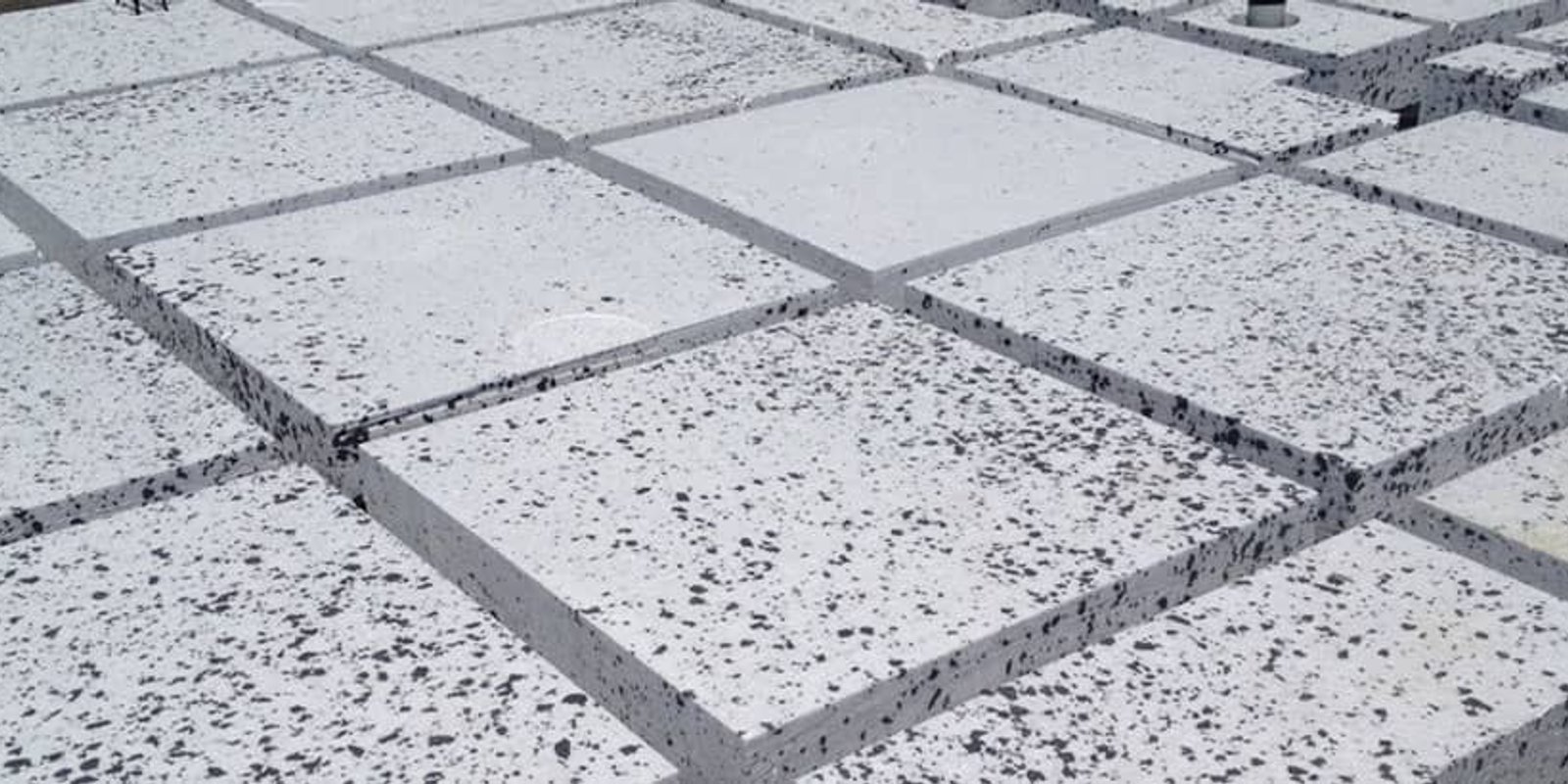
- Concrete slabs and edge insulation
- Underfloor systems for raised floors
- Roofing build-ups where low weight and high R-value matter
- Perimeter and retaining wall insulation
The goal is to lift thermal performance without making the build harder or changing the way local teams like to work.
Is Eco-Friendly Polystyrene Really Sustainable Long-Term?
To answer this, we have to zoom out and look at the full life of a building. There is energy and carbon tied up in making polystyrene. But there are also big savings to be made when good insulation cuts heating and cooling demand year after year, especially in Auckland and the upper North Island where buildings often need help staying warm and dry in winter and cooler in humid spells.
EPS and XPS are known for keeping their shape and performance in tough conditions. This includes:
- Damp ground contact around slabs and foundations
- Coastal areas where materials face salt and wind
- High wind zones where movement and moisture can stress building elements
In many of these settings, polystyrene compares well with some other insulation types, because it is resistant to moisture and does not slump when correctly supported and detailed.
End-of-life options are also growing. Depending on condition, polystyrene insulation can be:
- Mechanically recycled into new foam products
- Reprocessed into other plastic products
- Reused as panels in refurbishments when thickness and performance still suit the new design
As New Zealand recycling infrastructure keeps improving, these pathways become more realistic at scale. For long-term sustainability, the strongest use cases for eco-friendly polystyrene in Auckland are projects where:
- The insulation is protected and likely to last the full building life
- The thermal gains are large compared with the material used
- There is a plan for waste management both during construction and at end of life
Where moisture, detailing or future access are uncertain, designers should take extra care with specification and think ahead about how materials might be recovered or upgraded later.
Make Your Next Project Warmer, Leaner and Lower Waste
When planning upcoming builds, it is worth taking another look at insulation specs. Small changes in EPS or XPS thickness, panel layout or R-values can ease the load on heating and cooling systems and support better comfort inside, especially through colder months.
Working with a local manufacturer like Koolfoam early in design lets architects, engineers and builders line up performance goals with buildability. By coordinating on panel sizes, cut shapes and waste plans before work starts on site, teams can keep projects warmer, leaner and much lower waste while still meeting the practical needs of New Zealand construction.
Get Started With Your Project Today
If you are ready to build with materials that support both performance and sustainability, we can help you choose the right solution for your project. At Koolfoam, our eco-friendly polystyrene in Auckland is designed to deliver reliable insulation while reducing environmental impact. Talk with our team about your plans and we will work through the best options for your site conditions and budget. To discuss details or request a quote, simply contact us.
FAQs
Why does eco-friendly polystyrene matter for Auckland builds?
Choosing insulation in Auckland is no longer just about keeping a house from feeling damp or drafty. With energy costs rising and building rules getting tighter, the materials we put into walls, slabs and roofs now play a big role in long-term comfort and emissions.
What makes polystyrene more eco-friendly today?
Several factors can make eco-friendly polystyrene in Auckland a lower impact choice compared with older foam products: optimised density so you get the R-value you need with less material, consistent quality which reduces breakage and replacement, and long service life when properly installed and protected.
Is all polystyrene the same from a sustainability point of view?
For a start, it is important to separate single use packaging foam from high density construction insulation.
How does Koolfoam reduce waste on Auckland projects?
One of the key ways we reduce waste is through custom cutting. By matching EPS and XPS panels to project specifications, we help minimise offcuts on site, reduce time spent trimming and fitting, and keep sites cleaner and safer for other trades.
Where are Koolfoam products commonly used?
On the design side, our products are commonly used in concrete slabs and edge insulation, underfloor systems for raised floors, roofing build-ups where low weight and high R-value matter, and perimeter and retaining wall insulation.
Is eco-friendly polystyrene really sustainable long-term?
For long-term sustainability, the strongest use cases for eco-friendly polystyrene in Auckland are projects where the insulation is protected and likely to last the full building life, the thermal gains are large compared with the material used, and there is a plan for waste management both during construction and at end of life.
What should teams do before starting a project?
Working with a local manufacturer like Koolfoam early in design lets architects, engineers and builders line up performance goals with buildability. By coordinating on panel sizes, cut shapes and waste plans before work starts on site, teams can keep projects warmer, leaner and much lower waste while still meeting the practical needs of New Zealand construction.