
 34 Grayson Avenue, Papatoetoe, Auckland 2104


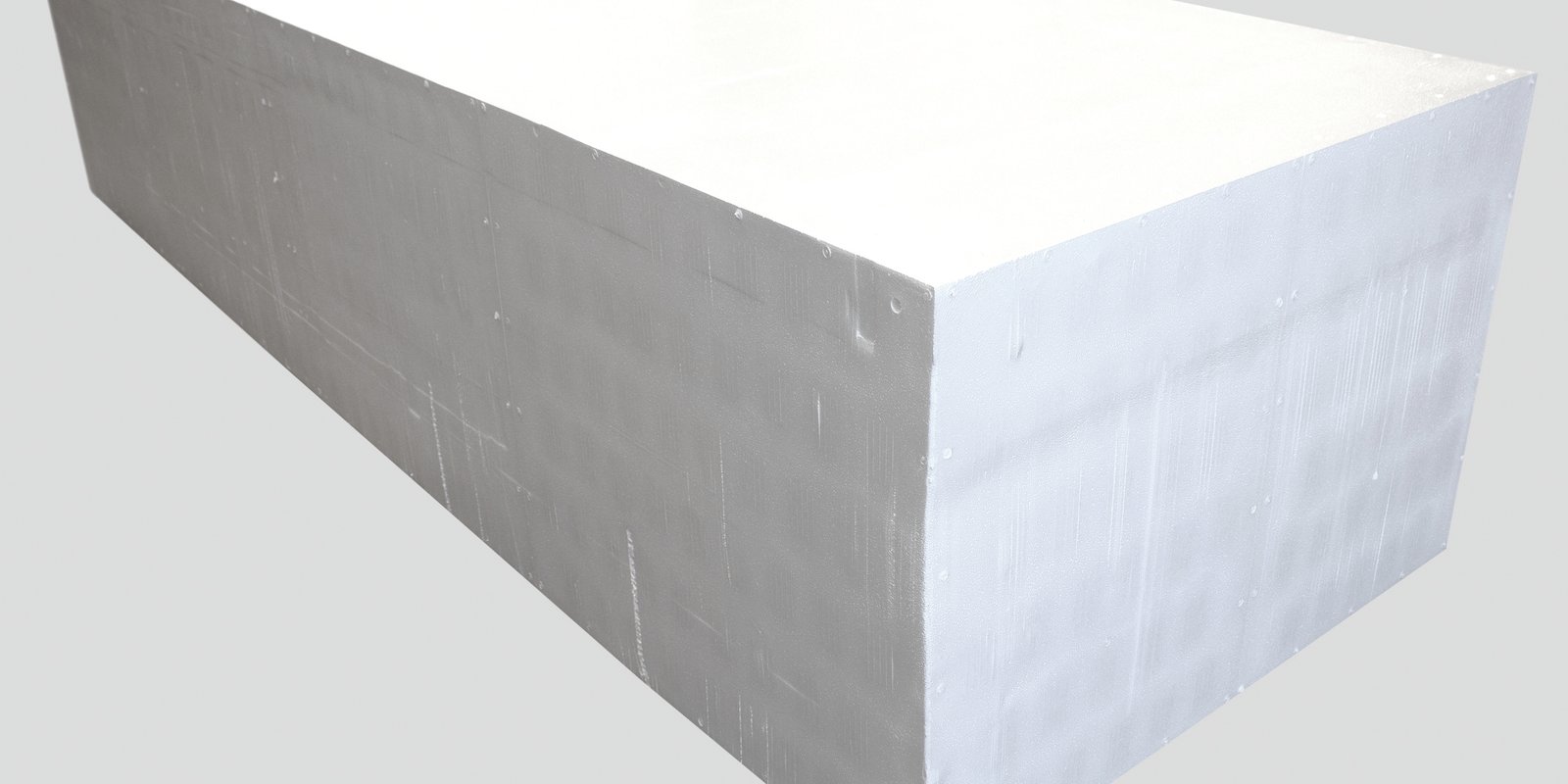

Custom expanded polystyrene blocks help create planned voids beneath concrete without filling every space with unnecessary material. For foundations with unusual shapes, changing slab levels or services running through them, the right void former can make the set-out and installation process far clearer. We work with project teams to supply EPS solutions that match the approved design rather than forcing standard-sized materials into a custom layout.
Across residential, commercial and civil work, we see how quickly a simple foundation can become more involved once beams, penetrations, drainage lines and stepped sections are added. A well-planned EPS void former layout helps maintain the intended shape beneath the concrete while keeping the work area lighter and easier to manage.
Build Lighter Foundations with Precision Void Formers
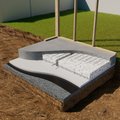
Void formers are used where an engineered space is required below or within a concrete element. Instead of pouring concrete into areas that do not need to be solid, the void former takes up that space in line with the structural design.
Standard materials can be difficult to fit around detailed footings or slab layouts. On-site cutting may leave gaps, take extra time and make it harder to maintain accurate dimensions. Custom expanded polystyrene blocks provide a more controlled option, particularly where the design includes deepened beams, narrow spaces or several changes in level.
As a New Zealand manufacturer and supplier, we produce custom EPS blocks alongside EPS Geofoam, under-slab insulation, slab-edge systems and recycled-content insulation products. We supply these products nationwide throughout New Zealand, helping projects coordinate materials around their site programme and approved plans.
Custom Expanded Polystyrene Blocks Improve Fit
Custom expanded polystyrene blocks are made to suit the dimensions, profiles and cut-outs shown on project drawings. This gives contractors a practical way to form void spaces around structural details without relying on extensive trimming once materials arrive on site.
Depending on the design, blocks can be produced with tailored:
- Lengths, widths and heights
- Profiles for beams, slab edges and changes in level
- Cut-outs for drainage, pipes and service penetrations
- Shapes suited to confined or irregular installation areas
A closer fit can make positioning more straightforward for the crew and support a cleaner layout before reinforcing steel and concrete are placed. It can also help reduce the chance of small gaps appearing where multiple pieces of standard material have been cut to suit.
The correct EPS grade and dimensions should always be confirmed through the project engineer or designer. Size is only one part of the decision. The specified compressive performance, block layout, concrete placement method and site conditions all need to align with the engineering documentation. We recommend confirming these details early so the custom blocks reflect the intended design from the outset.
Reduce Unnecessary Concrete and Dead Load
Where solid concrete is not structurally required, EPS void formers can displace concrete while preserving the designed form of the foundation. This may reduce the amount of concrete needed in selected areas and lessen the handling involved in constructing large or detailed slab sections.
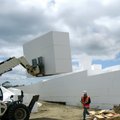
EPS is lightweight, which can make it simpler to move and place than heavier fill materials or formed void systems. That can be helpful on sites with restricted access, large slab footprints or multiple void former locations that need to be installed in sequence.
Replacing unneeded concrete with a lightweight material may also help reduce dead loads on supporting ground or structural elements where the design calls for it. The final layout must always follow the engineer's drawings, including the required thicknesses, locations and EPS performance requirements.
Before concrete work begins, it is worth checking that the void former plan accounts for:
- Beam positions and deepened footing details
- Service penetrations and drainage routes
- Reinforcement placement and concrete pour sequencing
- Access for installation, inspection and temporary restraint
Plan Custom Blocks Around Site Conditions
Accurate manufacturing starts with clear project information. When we review a custom expanded polystyrene block requirement, useful details include drawings, block dimensions, slab levels, beam details, service locations, quantities and preferred delivery timing. Early planning allows the block layout to be coordinated with other trades and the wider construction programme.
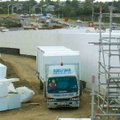
Before delivery, your site team should confirm set-out points, substrate preparation and the order in which blocks will be placed. A planned placement sequence can help avoid moving blocks more than necessary and supports accurate positioning before reinforcing steel is installed.
EPS components should be protected from avoidable site damage and kept clear of unnecessary traffic during installation. Where temporary restraint is required, it should follow the project requirements. If a block appears to need changing on site, the effect on the engineering design should be confirmed before any modification is made.
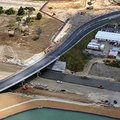
Winter work can add another layer of planning. Rain, softer ground and changing access conditions can affect the timing of deliveries and site activity. EPS Geofoam is a lightweight EPS solution for civil and infrastructure applications, including engineered fill for lighter embankments, landscaping levels, road approaches and sites with challenging ground conditions. It is suitable for wet-weather use, although normal site water management and installation requirements still apply to the overall project.
Specify the Right Void Former for the Job
The best void former arrangement starts with the engineered design, then considers the practical realities of the site. Block size, required EPS performance, access, concrete reduction goals, installation order and delivery timing all affect how smoothly the work can proceed.
For projects with stepped slabs, detailed beam layouts or multiple service penetrations, custom EPS blocks can provide a precise way to form the required voids. The practical takeaway is simple: confirm the design details early, plan the placement layout before materials arrive and keep the installed components consistent with the approved engineering documentation.
Precision-Fit EPS Solutions for Complex Slabs
Koolfoam can help specify custom expanded polystyrene blocks for projects that need accurate void formation and dependable load management. We supply EPS Geofoam nationwide throughout New Zealand and can assist with block sizing, layouts and project requirements. For product advice or a tailored quote, contact us to discuss your plans.
FAQs
What are void formers used for?
Void formers are used where an engineered space is required below or within a concrete element. Instead of pouring concrete into areas that do not need to be solid, the void former takes up that space in line with the structural design.
How do custom expanded polystyrene blocks improve fit?
Custom expanded polystyrene blocks are made to suit the dimensions, profiles and cut-outs shown on project drawings. This gives contractors a practical way to form void spaces around structural details without relying on extensive trimming once materials arrive on site.
Who should confirm the correct EPS grade and dimensions?
The correct EPS grade and dimensions should always be confirmed through the project engineer or designer. The specified compressive performance, block layout, concrete placement method and site conditions all need to align with the engineering documentation.
Can EPS void formers reduce the amount of concrete required?
Where solid concrete is not structurally required, EPS void formers can displace concrete while preserving the designed form of the foundation. This may reduce the amount of concrete needed in selected areas and lessen the handling involved in constructing large or detailed slab sections.
What should the void former plan account for before concrete work begins?
Before concrete work begins, it is worth checking that the void former plan accounts for beam positions and deepened footing details, service penetrations and drainage routes, reinforcement placement and concrete pour sequencing, and access for installation, inspection and temporary restraint.
What project information helps with planning custom EPS blocks?
When we review a custom expanded polystyrene block requirement, useful details include drawings, block dimensions, slab levels, beam details, service locations, quantities and preferred delivery timing. Early planning allows the block layout to be coordinated with other trades and the wider construction programme.
Is EPS Geofoam suitable for wet-weather use?
EPS Geofoam is a lightweight EPS solution for civil and infrastructure applications, including engineered fill for lighter embankments, landscaping levels, road approaches and sites with challenging ground conditions. It is suitable for wet-weather use, although normal site water management and installation requirements still apply to the overall project.