
 34 Grayson Avenue, Papatoetoe, Auckland 2104



Why Lightweight Geofoam Is Changing Auckland Sites
Lightweight structural fill is changing the way tricky sites are built around Auckland. With more infill housing, bigger commercial projects, and transport upgrades, there is pressure to build quicker on ground that is not always ideal. Soft soils, steep slopes and tight access can slow everything down when you rely only on heavy traditional fill.
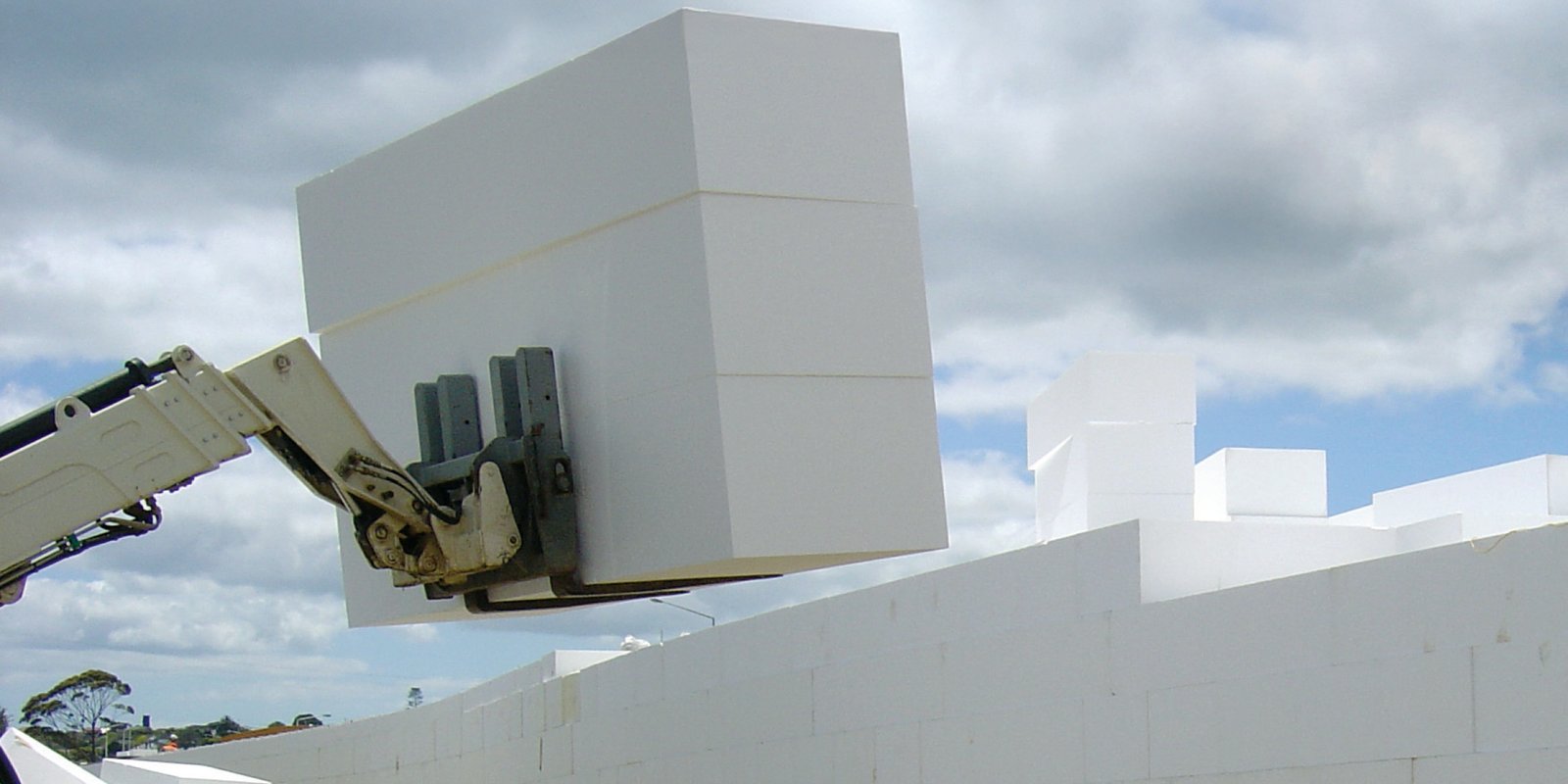
Lightweight fill flips that on its head. Instead of loading the ground with tonnes of soil or aggregate, you use an engineered material that is strong but very light. Geofoam is one of the best-known options. It is a type of expanded polystyrene, or EPS, that is made into large blocks and used where you need strength without weight.
Geofoam lets contractors cut the load on the ground, control settlement and still create stable platforms for roads, embankments, car parks and buildings. For tricky urban sites, it can mean less excavation, less carting and fewer surprises in wet weather. As an Auckland-based manufacturer of EPS geofoam systems, we see more geofoam contractors in Auckland moving to lightweight structural fill to lift performance, speed and long-term durability through all seasons.
How Lightweight Structural Fill Solves Auckland Ground Issues
Across Tāmaki Makaurau, ground conditions can change a lot from one block to the next. You might be working on:
- Reclaimed land near the Auckland Harbour or estuaries.
- Soft clays that hold water and settle slowly.
- Volcanic areas with fill over rock or uneven ground.
- Steep or tight sites squeezed between existing buildings.
On these sites, traditional gravel or soil fill can create extra problems. Heavy fill adds a lot of weight, which can:
- Increase settlement and differential movement.
- Push sideways on retaining walls and buried structures.
- Require more piling, deeper foundations or ground improvement.
- Stretch programmes while you wait for the ground to settle.
EPS geofoam works differently. Because the blocks are extremely light compared to soil, they reduce both vertical and lateral loads. This makes a big difference for:
- Road and rail embankments over soft ground.
- Podium slabs over parking or retail spaces.
- Retaining walls next to buildings or property boundaries.
- Bridge approaches where smooth transitions matter.
- Cut-to-fill situations where you want to avoid over-excavation.
For example, when upgrading a road on soft ground, heavy fill can keep sinking and cause ongoing maintenance issues. Using geofoam can give a stable platform with far less weight on the underlying soils. On sloping sites, a driveway or car park built on lightweight fill can reduce pressure on the slope and the supporting walls.
Auckland's wet winters add another layer of risk. Saturated ground can slip, hydrostatic pressure builds up behind walls, and access for trucks becomes difficult. Lightweight structural fill helps manage these risks by limiting extra load, reducing retained soil mass and making settlement behaviour more predictable over time.
Why Geofoam Contractors in Auckland Choose Speed and Simplicity
Geofoam contractors in Auckland are expected to keep working through the rainy months. Traditional earthworks rely heavily on dry weather, stable ground and large machinery. When sites are wet and soft, even getting trucks in and out can become a daily battle.
Geofoam blocks change how the work is done. They are:
- Delivered to site pre-cut or in standard block sizes.
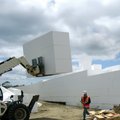
- Light enough to move with smaller equipment or even by hand for some tasks.
- Easy to stack and shape, with cuts done using simple tools.
- Installed without the need for layer-by-layer compaction.
This simple, almost plug-and-play style of installation keeps sites productive when the weather is not on your side. Instead of multiple passes with compactors and repeated testing, crews place the geofoam, trim where needed and move on to geotextiles, topping layers, reinforcement and concrete or asphalt.
When you compare sequencing with traditional fill, lightweight structural fill generally means:
- Fewer truck movements and less time at the gate.
- No waiting around for compaction results.
- Less downtime due to saturated ground or bogged machinery.
- Earlier starts for follow-on trades like concrete, paving and landscaping.
For developers and contractors, these time savings can keep tight programmes on track. Less weather-related delay also reduces the overall cost of traffic management, preliminaries and site overheads.
Sustainable Performance That Stands up to New Zealand Conditions
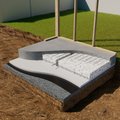
Lightweight structural fill is not only about speed and weight. It also brings performance benefits that support warmer, drier and more efficient buildings. When EPS geofoam is used under slabs, podium decks or landscaped roofs, it adds insulation while helping form the required levels.
Thermal benefits are important in areas like:
- Apartment podiums with outdoor areas over living spaces.
- Commercial roofs with planting or hard landscaping.
- Ground slabs in cooler, damp locations.
EPS and XPS products are known for their durability. They have a long service life, resist moisture when correctly detailed and keep their physical performance over time. This is important for roading, civil and commercial projects where access for future repairs is hard and disruption is costly. From a sustainability point of view, there are other wins. As a manufacturer, we focus on:
- Block sizes that match common design grids to limit offcuts.
- In-house recycling of EPS waste into new products where appropriate.
- Design support that helps avoid over-specifying and unnecessary material use.
Because geofoam is so light, it can also help reduce:
- The size of retaining structures that would otherwise hold back heavy soil.
- Concrete volumes in foundations and walls.
- The number of truck movements needed to import fill.
All of this supports lower embodied carbon and fewer site emissions, which fits with modern building performance goals and New Zealanders' expectations around environmental care.
Partnering with Local Geofoam Experts for Better Outcomes
When projects get complicated, having local support makes a big difference. Geofoam contractors in Auckland often need quick decisions when ground conditions change or when design details clash with what they are seeing on site.
Local manufacturing helps with:
- Shorter lead times and more predictable deliveries.
- Flexibility when quantities or block sizes need to change.
- Responsive technical help to solve issues as they appear.
At Koolfoam, we work with engineers, architects and contractors early in design where possible. This can include:
- Sizing blocks and layers to meet load and deflection needs.
- Helping detail interfaces with concrete, waterproofing and drainage.
- Selecting EPS or XPS products that fit the wider insulation strategy.
Local testing, compliance knowledge and experience with New Zealand standards and council expectations also matter. Fit-for-purpose systems reduce the risk of delays during consent or inspection.
On the practical side, we support projects with:
- Shop drawings that set out block layouts and sequences.
- Custom cutting to simplify work on tight or irregular sites.
- On-site advice and logistics planning for busy urban areas.
This kind of partnership helps reduce risk and keeps construction flowing, especially during Auckland's peak winter construction period when every dry day counts.
Take the Next Step with Lightweight Geofoam Solutions
Lightweight structural fill is becoming a first choice for many geofoam contractors in Auckland because it reduces ground loading, speeds up installation and keeps work moving when traditional earthworks slow down. At the same time, it supports long-term performance across roading, civil, commercial and residential projects.
As an Auckland-based manufacturer and supplier of EPS and XPS polystyrene products, Koolfoam focuses on practical, sustainable systems that suit local ground conditions and climate. When geofoam is integrated early into project planning, it can unlock smarter solutions for embankments, podiums, retaining walls and complex foundations, helping the whole build run more smoothly from the first excavation through to final finishes.
Get Started With Your Project Today
If you are planning a complex build or need lightweight fill solutions, we are ready to help you get the details right from day one. As experienced geofoam contractors in Auckland, we can work with your engineer or project team to tailor a practical, cost-effective approach. Share your project requirements with us and we will provide guidance, pricing and timeframes that suit your schedule. To discuss the next steps, simply contact us and a Koolfoam specialist will be in touch.
FAQ
What is lightweight structural fill?
Lightweight structural fill is an engineered fill material designed to reduce load on the ground while still providing stable support for construction.
Why do geofoam contractors in Auckland use EPS geofoam?
They use EPS geofoam because it is extremely light, helps reduce settlement, and is easier to install on soft or constrained sites.
Where can geofoam be used?
Geofoam can be used for roads, embankments, bridge approaches, retaining wall backfill, podium slabs, building platforms, and areas over sensitive underground services.
How does geofoam improve construction speed?
Geofoam arrives in ready-to-place blocks, does not need layer-by-layer compaction, and can reduce delays caused by wet weather or bogged machinery.
Is geofoam suitable for Auckland’s wet conditions?
Yes, it is well suited to Auckland’s wet winters because it reduces load on saturated soils and helps make settlement behaviour more predictable.
Does geofoam have sustainability benefits?
Yes, it can reduce truck movements, lower concrete and retaining wall volumes, limit material waste, and support lower embodied carbon.
Can Koolfoam help with project planning?
Yes, Koolfoam can assist with block sizing, product selection, shop drawings, custom cutting, and logistics planning for complex sites.